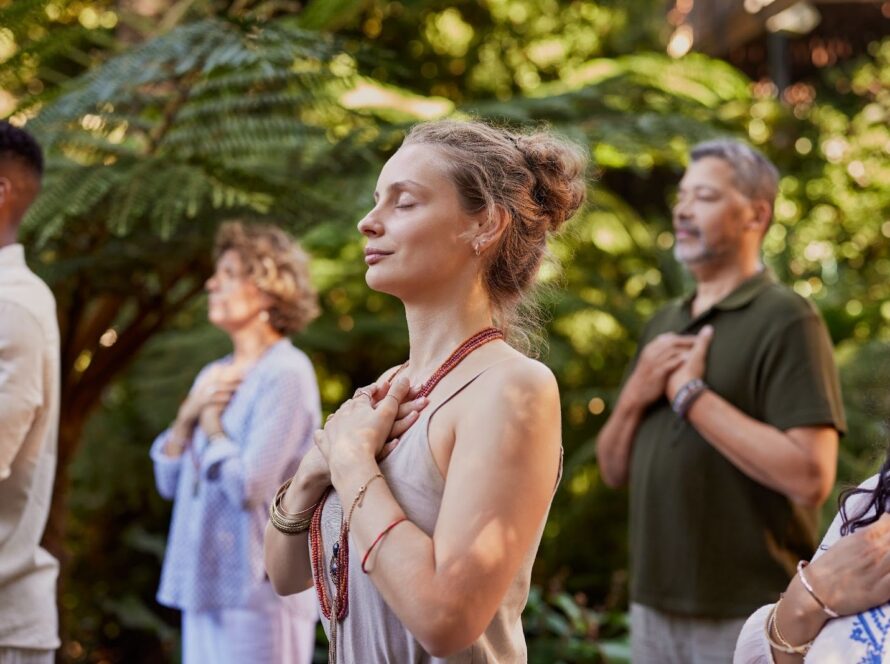

Life can move at a pace that leaves little room for reflection. In that constant motion, emotions fluctuate, and peace often feels distant. Many search for balance but overlook the inner foundation that sustains it—spiritual health. When spiritual wellness is nurtured, emotional stability follows naturally, shaping how people think, react, and relate to others. A steady spirit becomes the quiet strength that restores calm in a restless world.
Understanding Spiritual Health
Spiritual health is the inner harmony that connects thought, purpose, and peace. It’s not limited to religious belief, though faith may be part of it. Instead, it reflects how a person aligns actions with core values and meaning. As spiritual awareness grows, emotional health often strengthens in tandem.
What Spiritual Health Really Means
Spiritual health refers to a person’s sense of connection to something greater than themselves. It might appear through gratitude, reflection, or moments of quiet awareness. Some express it through religion, while others find it through nature, art, or service. What matters most is that it creates meaning and helps people face life with steadiness. When that sense of connection deepens, emotional calm becomes easier to maintain, even during change or stress.
The Core Foundations of Spiritual Health
Spiritual wellness thrives on consistent habits that build inner clarity. Practices such as meditation, prayer, journaling, or mindful breathing can help bring thoughts and emotions into alignment. Gratitude also plays a role, assisting people to shift their focus from what’s missing to what’s meaningful. Similarly, self-reflection encourages understanding of emotions rather than resistance. These habits collectively nurture a sense of spiritual balance that sustains emotional resilience.
Why Spiritual Awareness Matters in Modern Life
The fast pace of the modern world leaves many emotionally drained and disconnected. Spiritual awareness acts as a grounding force amid this noise. It helps people step back, reflect, and reconnect with what feels real. When inner purpose becomes clearer, emotional health tends to stabilize naturally. People begin to feel less reactive and more centered in their approach to handling challenges.
Emotional Well-Being and Its Inner Landscape
Emotional well-being reflects how people understand and manage their feelings. It influences relationships, work, and self-perception. When it weakens, anxiety and imbalance often take over. Strengthening emotional health usually requires addressing the spiritual gaps that quietly fuel unrest.
Defining Emotional Well-Being
Emotional well-being isn’t about constant happiness. It’s about flexibility—the ability to process experiences without becoming lost in them. A person with balanced emotions can feel sadness, anger, or fear yet return to a calm baseline. This skill grows stronger when paired with spiritual grounding. Faith, purpose, or inner reflection helps people regulate emotions and face challenges with acceptance rather than resistance.
The Hidden Link Between Emotions and Spirit
Emotional distress often reveals a deeper spiritual gap. Feelings of emptiness, restlessness, or loss of direction sometimes arise when one’s spiritual life is neglected. Similarly, unresolved emotional pain can dull spiritual sensitivity. Addressing both aspects together often leads to genuine healing. A renewed sense of purpose restores energy, and emotions begin to flow more freely without suppression.
The Emotional Cost of Disconnection
When people disconnect from their inner values, emotional confusion often follows. It becomes harder to distinguish between what truly matters and what doesn’t. Over time, this disconnection drains joy and weakens relationships. Spiritual renewal can reverse that cycle by bringing clarity and meaning back into focus. Through quiet reflection and consistent spiritual care, emotional strength begins to rebuild.

How Spiritual Health Shapes Emotional Balance
Spiritual health serves as a stabilizing force when emotions become unstable. It offers a framework that guides reactions and shapes perspective. Through spiritual grounding, emotional storms can subside more quickly and with greater ease.
Finding Calm Through Spiritual Practices
Meditation, mindfulness, or prayer helps regulate the emotional response system. These practices lower tension, slow thought racing, and create space for clarity. As stillness grows, emotional impulses soften, allowing more rational and peaceful choices. Additionally, these moments of quiet reveal underlying emotional needs that are often overlooked. Through spiritual practices, emotions become more predictable and less overwhelming.
Resilience Rooted in Faith and Purpose
People who hold strong spiritual beliefs or personal values tend to recover more steadily from emotional pain. Faith offers context—pain is no longer random, but rather a part of the growth process. Similarly, purpose acts as emotional armor, preventing despair from taking hold. Through forgiveness and compassion, wounds begin to heal, and peace returns. The combination of meaning and hope fosters the resilience necessary to navigate life’s complexities.
Emotional Maturity Through Self-Reflection
Spiritual reflection fosters an honest evaluation of one’s feelings. Instead of reacting impulsively, individuals learn to pause and observe. This awareness reduces emotional volatility and increases empathy. Over time, self-reflection turns into emotional wisdom, which is the ability to feel deeply without losing stability. It’s this connection between reflection and maturity that bridges spiritual and emotional health.
Spiritual Practices That Support Emotional Healing
Healing the emotions requires nurturing the spirit as well. When people adopt spiritual habits intentionally, emotional wounds begin to mend. Over time, these practices cultivate peace, gratitude, and compassion, which naturally reinforce emotional health.
Mindfulness and Presence
Mindfulness teaches the art of noticing without judgment. It helps people focus on the moment rather than replaying the past or worrying about the future. Each breath becomes a reminder that calmness is possible, even in the midst of discomfort. Mindful presence helps slow emotional reactivity and fosters acceptance. As awareness grows, emotions become steadier, allowing peace to surface naturally.
Gratitude and Daily Reflection
Practicing gratitude shifts attention from frustration to fulfillment. Writing down a few things to appreciate each day can help ease emotional strain and foster optimism. Reflection deepens this effect by allowing people to process emotions constructively. Over time, gratitude softens resentment and clears space for healing. The combined effect strengthens both emotional and spiritual stability.

Compassion and Human Connection
Compassion builds bridges between spiritual and emotional growth. When people act with empathy, they open their hearts to both giving and receiving peace. Serving others, listening without judgment, or simply being kind nurtures the spirit profoundly. These acts also elevate emotional understanding and connection. Compassion turns personal healing into a shared experience that benefits everyone involved.
Nature as a Spiritual Healer
Nature offers quiet lessons in balance and renewal. Walking outdoors, observing stillness, or basking in sunlight can help restore emotional harmony. These experiences reconnect individuals to something greater than themselves. Similarly, they calm the nervous system and promote a sense of gratitude for life itself. Spending mindful time in nature becomes both a spiritual and emotional restoration ritual.
The Science Behind Spiritual and Emotional Connection
Modern research increasingly supports what spiritual traditions have long held to be true. The connection between spiritual practices and emotional balance is measurable and consistent. When spirituality is integrated into life, emotional and physiological markers often improve noticeably.
Mind-Body Research and Emotional Stability
Studies on meditation, gratitude, and prayer show clear benefits for emotional regulation. They reduce cortisol levels, improve mood, and enhance brain regions linked to calmness. Similarly, mindfulness increases grey matter density in areas that control empathy and emotional awareness. These changes help explain why people who maintain spiritual routines tend to manage stress more effectively. Science continues to confirm that spiritual care has a direct impact on emotional well-being.
The Influence of Purpose on Mental Health
People who live with a sense of purpose often report lower levels of anxiety and depression. Purpose provides structure and direction that stabilizes emotions during uncertainty. It shifts the mind away from chaos and toward clarity. Additionally, psychological theories of meaning-making align closely with spiritual teachings. Both suggest that when life feels purposeful, emotional distress tends to lessen.
The Role of Community and Shared Faith
Communal spiritual practices have profound emotional benefits. Worship, group meditation, or service projects foster a sense of belonging and trust. Feeling part of a shared purpose eases loneliness and enhances emotional security. Furthermore, community accountability encourages consistent growth and self-care. Together, spiritual unity and shared values fortify emotional health and collective resilience.
Reconnecting With Spiritual Health in a Modern World
Modern life often distracts from spiritual priorities. Technology, speed, and stress can weaken reflection and drain emotional energy. Reconnection begins with intentional stillness and consistent attention to inner life. It’s not about adopting rigid routines but about nurturing genuine awareness and alignment.
Creating Personal Space for Spiritual Growth
To restore balance, people must create space for silence and introspection. This practice can be as simple as setting aside ten minutes for quiet or turning off digital distractions. These moments allow emotional reset and clarity. Spiritual renewal happens gradually, through intentional pauses and mindful presence; the more consistent the practice, the deeper the sense of peace that follows.
Building Consistency and Intention
Spiritual and emotional wellness grow through consistency. Simple habits, such as practicing gratitude rituals, engaging in mindful breathing, or volunteering, can help stabilize the mind. Intention gives these actions meaning, turning them into daily anchors. Over time, this consistency develops emotional strength that remains resilient under stress. A spiritually intentional lifestyle produces emotional balance that feels both steady and natural.
Strengthening Spiritual Health for Emotional Wellness
Strengthening the bond between spirit and emotion requires awareness and regular care. It’s a lifelong process that deepens as one grows in self-understanding. The goal isn’t perfection but alignment; it’s living from a place where peace guides decisions and emotions support purpose.
Integrating Inner Balance into Everyday Life
Spiritual health should flow naturally into work, relationships, and self-care. Small actions, such as beginning the day with reflection or ending it in gratitude, reinforce balance. When values and behaviors align, emotions follow a steadier rhythm. This harmony reduces conflict, both internal and external. Inner balance then becomes less of a goal and more of a way of life.
Supporting Others Through Shared Growth
Helping others on their journey strengthens one’s own growth. Sharing insights, teaching mindfulness, or joining group reflections can inspire connection. It creates a supportive circle where emotional expression feels safe and secure. Similarly, witnessing others’ healing deepens empathy and gratitude. Through shared progress, spiritual and emotional strength expand collectively.
Nourish Spiritual Health to Restore Emotional Balance
Peace begins where attention meets the spirit. When life feels heavy or uncertain, turning inward brings clarity that no external comfort can match. Small, intentional practices, such as quiet reflection, gratitude, and compassion, reshape how emotions flow and settle. As spiritual health strengthens, calmness follows effortlessly, grounding the heart in steadiness and purpose. The path to emotional freedom starts with nourishing the spirit that guides it.
Find thoughtful guidance for your spirit and emotions by visiting The Living Church San Francisco blog today.