
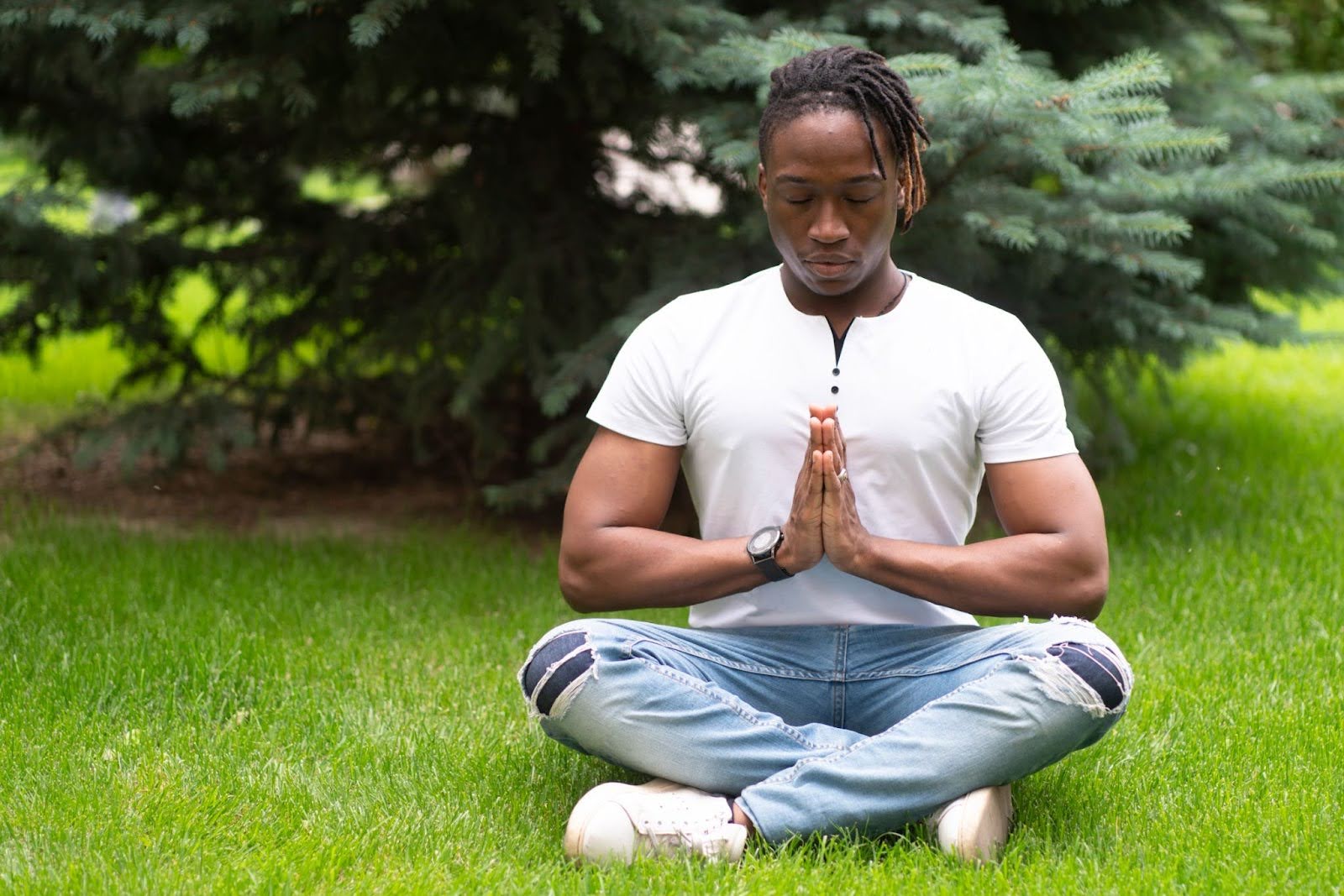
Life pressure no longer appears only during obvious crises. Many people carry tension quietly through work, family, and constant notifications. Emotional fatigue builds when the mind never truly rests. Stress shapes behavior, sleep, and relationships in subtle ways. Meditation offers a grounded way to restore emotional balance without withdrawing from daily life.
Meditation and the Modern Stress Response
Meditation directly calms the body’s stress response by slowing internal alarm signals. This practice reduces automatic reactions that keep the body in a constant state of readiness. Modern stress feels persistent because the nervous system rarely resets fully. Meditation creates space for that reset through focused attention and breathing.
Meditation and Nervous System Regulation
Meditation regulates the nervous system by activating the relaxation response. This response naturally lowers heart rate and steadies breathing patterns. Calm signals travel from the brain to muscles and organs. Over time, stress reactions lose intensity and frequency. Emotional reactions soften because the body feels safer. This nervous system balance supports steadier daily functioning.
Meditation and Stress Hormone Control
Meditation reduces cortisol levels linked to chronic stress exposure. Lower cortisol supports immune function and emotional steadiness. The body stops treating minor issues like emergencies. Emotional responses become measured rather than urgent. According to the latest clinic data, regular meditators show reduced stress biomarkers. This hormonal balance supports long-term emotional resilience.
Meditation Techniques That Reduce Everyday Stress
Meditation reduces daily stress through simple, repeatable techniques. These methods fit into ordinary schedules without disruption. Stress relief improves when practice feels accessible. Meditation techniques work best when practiced consistently.
Mindfulness Meditation for Present Awareness
Mindfulness meditation trains attention toward present experiences. Breathing becomes an anchor during mental overload. Thoughts appear without demanding immediate reaction. Awareness reduces rumination, which is linked to stress cycles. Emotional clarity improves through calm observation. This mindfulness skill transfers easily into daily interactions.
Body-Based Meditation for Physical Stress Relief
Body-based meditation focuses attention on physical sensations. Tension reveals itself through guided awareness. Muscles release when attention remains gentle and steady. Physical relaxation supports emotional calm naturally. Stress stored in the body begins to dissipate. This bodily awareness strengthens the mind-body connection.
Guided Meditation for Consistent Practice
Guided meditation offers structure for beginners and busy professionals. External guidance reduces mental resistance early on. Consistency improves when expectations feel manageable. Emotional reassurance develops through calm instruction. Focus strengthens with repeated listening. This guided approach builds confidence for independent practice.
Meditation and Emotional Resilience Development
Meditation strengthens emotional resilience by improving recovery after stress. Emotional challenges become manageable rather than overwhelming. Resilience grows through awareness and emotional regulation. Meditation supports this growth through repeated practice.
Building Emotional Awareness
Meditation increases awareness of emotional shifts. Subtle emotions become noticeable before escalation occurs. Early awareness prevents emotional overload. Clarity replaces confusion during stressful moments. Emotional naming reduces reactive behavior patterns. This awareness strengthens emotional intelligence steadily.

Supporting Non-Reactive Responses
Meditation introduces a pause between emotion and reaction. This pause allows intentional responses. Emotional triggers lose immediate control over behavior. Calm decision-making replaces impulsive reactions. Relationships benefit from measured emotional expression. This restraint builds long-term emotional stability.
Improving Emotional Recovery Time
Meditation shortens recovery time after emotional stress. Emotional fatigue decreases with regular practice. Setbacks feel less draining and personal. Mental energy restores more efficiently. Emotional endurance improves through focused rest. This recovery capacity supports resilience during prolonged stress.
Meditation and Brain Adaptation Over Time
Meditation reshapes brain function through repeated mental training. Brain adaptation supports emotional balance and focus. These changes develop gradually through consistency. Meditation strengthens areas of the brain linked to regulation and awareness.
Neuroplasticity Benefits
Meditation enhances neuroplasticity by reinforcing attention pathways. Emotional regulation centers grow more responsive. Stress-related brain activity decreases over time. Attention control improves during demanding situations. Brain changes support calmer emotional processing. This adaptation strengthens resilience neurologically.
Improved Focus Under Pressure
Meditation sharpens focus during high-pressure situations. Distractions lose influence over attention. Clear focus reduces emotional overwhelm. Decision-making improves through steady concentration. Mental clarity supports emotional control. This focus strengthens professional and personal performance.
Meditation and Long-Term Mental Wellbeing
Meditation supports mental well-being through consistent emotional regulation. Emotional balance improves without reliance on external changes. This stability builds through daily attention practices. Meditation becomes a reliable mental health support.
Anxiety Regulation
Meditation reduces anxiety by grounding attention. Present-moment focus limits future-based worry. Physical calm interrupts anxious thought loops. Anxiety intensity decreases with repeated grounding. Confidence grows through emotional self-regulation. This anxiety management supports long-term well-being.
Mood Consistency Support
Meditation smooths mood fluctuations caused by stress. Emotional highs and lows feel less extreme. Calm awareness replaces reactive mood shifts. Stability improves emotional predictability. Relationships benefit from consistent emotional presence. This mood balance supports overall mental health.
Encouraging Self-Compassion
Meditation reduces harsh internal criticism patterns. Observing thoughts creates emotional distance. Compassion grows through patient self-awareness. Emotional setbacks feel less personal. Inner dialogue becomes more supportive. This compassion strengthens resilience during difficulty.
How Meditation Strengthens Emotional Stability
Meditation habits build emotional stability through repetition. Consistency matters more than session length. Emotional benefits grow steadily over time. Sustainable habits support lasting resilience.
Building a Sustainable Meditation Routine
Meditation routines succeed when they are realistic and flexible. Short sessions encourage consistency. Scheduling anchors the habit daily. Flexibility prevents frustration during busy periods. Emotional benefits emerge through steady practice. This routine supports long-term commitment.
Overcoming Common Meditation Challenges
Meditation challenges include restlessness and doubt. Acceptance reduces frustration during practice. Attention returns gently without judgment. Progress feels subtle but accumulates. Confidence grows through persistence. This patience strengthens emotional resilience.

Meditation in a High-Stimulation Digital Culture
Meditation addresses stress amplified by constant digital stimulation. Notifications, screens, and rapid content shifts fragment attention daily. This environment strains emotional regulation and mental recovery. Meditation counters this pressure by restoring focused awareness.
Reduces Digital Cognitive Overload
Meditation reduces cognitive overload caused by constant information intake. Continuous scrolling trains the brain toward shallow attention patterns. Meditation reverses this effect through sustained focus practice. Attention becomes less reactive to external triggers. Mental fatigue decreases as stimulation lowers. This cognitive relief supports emotional steadiness.
Restores Attention in Distracted Environments
Meditation rebuilds attention weakened by digital multitasking habits. The practice strengthens focus through repeated redirection. Distractions lose urgency when attention stabilizes. Emotional reactions soften as mental noise reduces. Productivity improves through clearer mental engagement. This attention recovery supports emotional resilience.
How to Use Meditation Across Different Life Phases
Meditation adapts to stress patterns across changing life stages. Emotional demands shift with responsibilities and roles. Meditation provides stability regardless of circumstance. This flexibility supports long-term emotional health.
Working Professionals
Meditation supports professionals managing deadlines and performance pressure. Mental clarity improves through brief daily sessions. Emotional reactions to workplace stress become more controlled. Focus strengthens during demanding tasks. Burnout risk decreases with emotional regulation. This balance supports sustainable career performance.
Caregivers and Family Roles
Meditation helps caregivers manage emotional exhaustion effectively. Constant responsibility increases emotional strain over time. Meditation restores emotional energy through focused rest. Patience improves through awareness of emotional limits. Stress responses soften during challenging moments. This regulation supports healthier caregiving dynamics.
Aging and Emotional Adjustment
Meditation supports emotional adjustment during aging transitions. Life changes often bring uncertainty and emotional reflection. Meditation stabilizes emotions through present awareness. Acceptance grows with repeated practice. Emotional flexibility supports psychological well-being. This stability enhances quality of life.
Meditation for Resilience Without Emotional Suppression
Meditation strengthens resilience without ignoring emotions. Emotional strength does not require emotional avoidance. Meditation encourages awareness rather than control. This approach supports healthier emotional processing.
Encouraging Emotional Tolerance
Meditation increases tolerance for uncomfortable emotions. Observing feelings reduces fear of emotional discomfort. Emotions pass without overwhelming intensity. Awareness replaces avoidance behaviors. Emotional confidence grows through repeated exposure. This tolerance supports resilience under pressure.
Preventing Emotional Avoidance Patterns
Meditation reduces avoidance habits linked to stress. Avoidance often increases emotional sensitivity over time. Meditation builds familiarity with emotional experiences. Familiarity lowers emotional threat perception. Responses become more grounded and stable. This regulation supports long-term emotional health.
Supporting Healthy Emotional Expression
Meditation improves emotional expression through clarity. Emotions become easier to identify and articulate—communication benefits from calmer emotional awareness. Reactions align better with intent and values. Emotional honesty replaces defensive responses. This expression strengthens relationships and self-trust.
Practice Meditation for Emotional Stability
Meditation offers a steady internal reference point during emotional strain. Emotional resilience deepens when personal practice connects with a spiritual community. Shared reflection and mindful discipline reinforce calm responses to stress. Choosing meditation within community life supports clarity, emotional balance, and sustained inner strength.
Expand your understanding of meditation and emotional resilience with practical insights from The Living Church San Francisco blog.