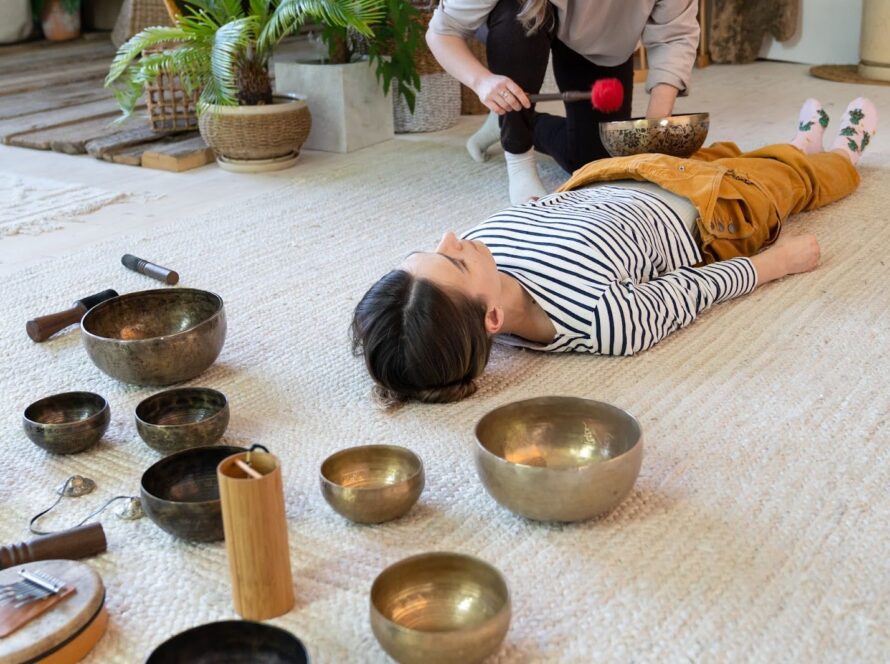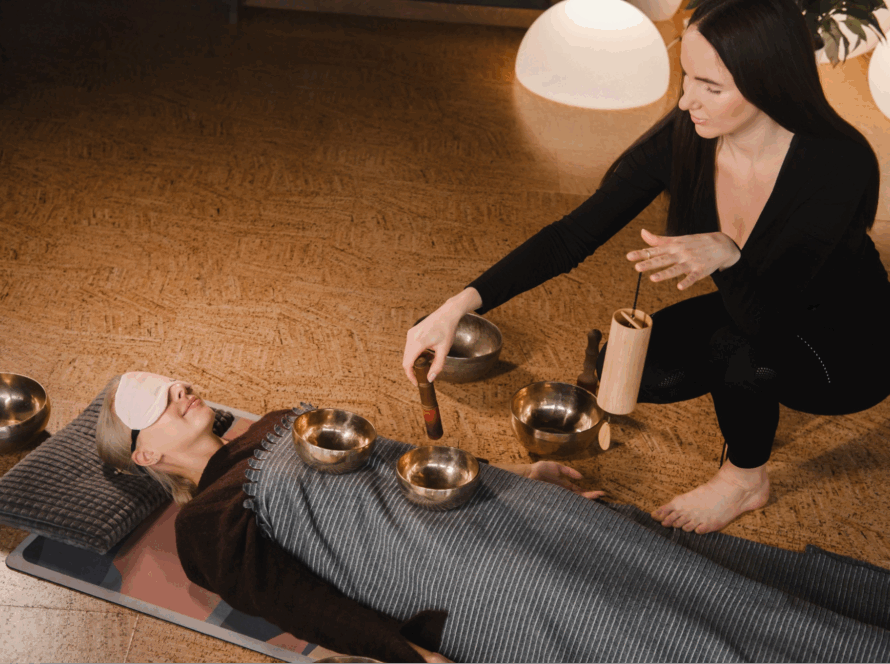
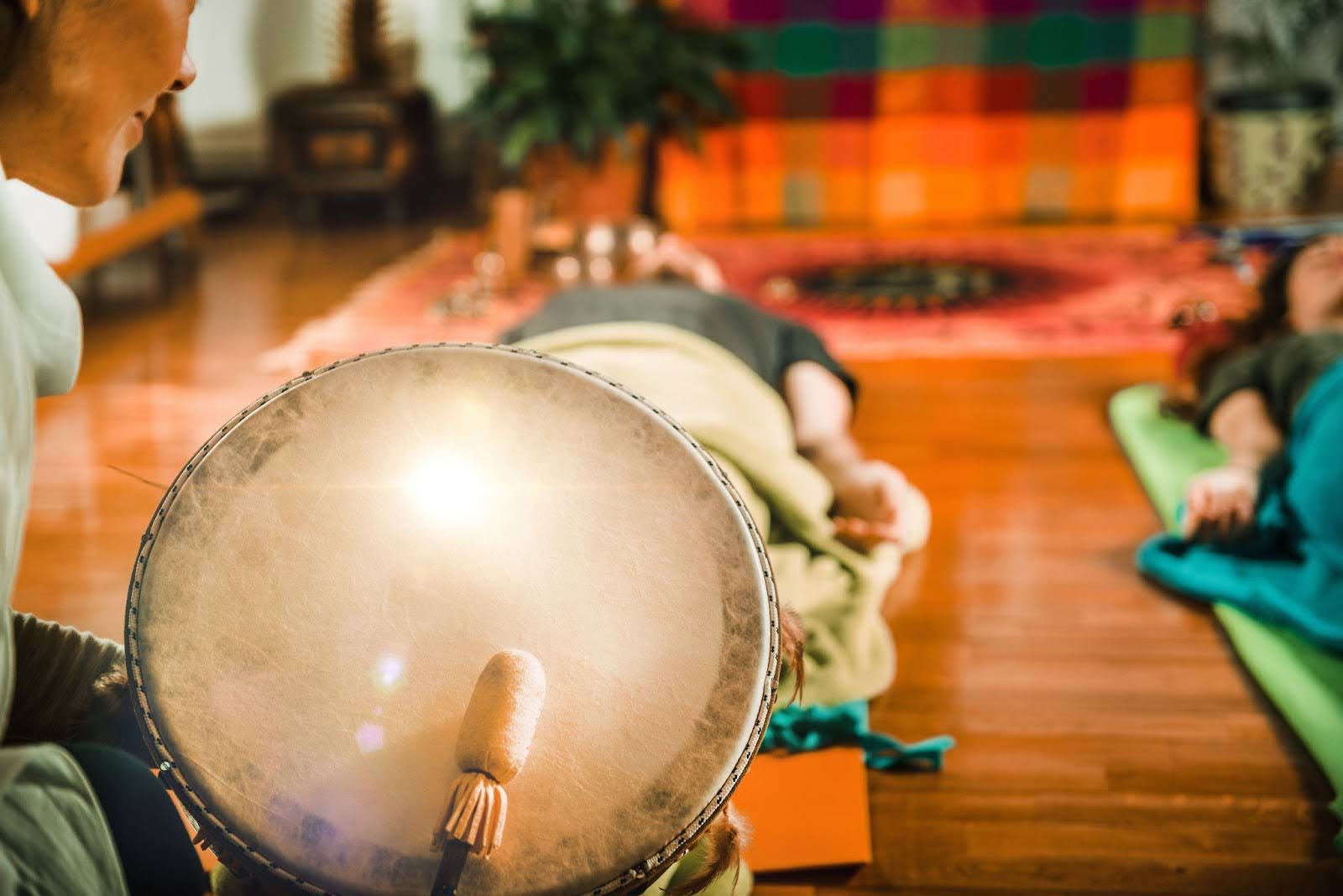
Sound bath meditation blends intentional listening with sustained tones that can feel deeply calming, clarifying, and surprisingly physical. Instead of “doing” something, you’re receiving sound as it moves through the body and the nervous system, often with the help of singing bowls, gongs, chimes, tuning forks, and gentle vocal tones. People often describe the experience as a reset because the session creates space for the mind to slow down while the body softens from protective tension. While frequency talk can get mystical fast, there are also practical reasons sound can influence mood, attention, and relaxation. Understanding how these tones are used in sound bath meditation can help you choose sessions that align with what you want—whether that’s stress relief, emotional processing, better sleep, or simply feeling more present.
Why Sound Bath Meditation Uses Frequency as a Tool for Calm
In sound bath meditation, “frequency” is simply the rate at which a sound wave vibrates, and those vibrations become an organizing structure for the experience. Long, resonant tones give the brain fewer sharp changes to track, which can encourage attention to settle rather than scan for new stimuli. This is one reason sustained instruments—like crystal bowls or gongs—are so common: they create a continuous sound field that supports steadier breathing and a softer internal pace. Frequency is also tied to pitch, and pitch influences perception; lower tones can feel grounding, while higher tones can feel bright, clearing, or uplifting. A skilled facilitator uses frequency ranges like a painter uses color, layering tones so your awareness has something to rest on without needing to analyze. Over time, the body can associate these sound patterns with safety and rest, which is one of the most practical ways sound bath meditation helps people unwind.
How Sound Bath Meditation Works Through the Nervous System, Not Magic
Sound bath meditation works best when you think of it as a nervous system experience rather than a performance or a belief system. Sound can influence breathing patterns, muscle tone, and the way the mind processes internal and external cues, especially when the environment is quiet and you’re allowed to fully rest. When the body senses safety—dim lights, stillness, a consistent soundscape—it’s easier to shift out of stress physiology and into a calmer baseline. The steady pulse of certain instruments can also support a slower internal rhythm, where racing thoughts lose momentum because the sound offers a simple anchor. Rather than “fixing” anything instantly, sound bath meditation often helps by reducing noise—physical tension, mental clutter, emotional agitation—so the system can rebalance on its own. This is why sessions can feel both subtle and powerful: nothing dramatic happens, yet you leave feeling different.
How Sound Bath Meditation Uses Crystal Singing Bowls for Clear Tones
Crystal singing bowls are popular in sound bath meditation because their tones are clean, sustained, and easy to layer without becoming chaotic. The long decay of each note creates a continuous field of sound that gives your attention a stable place to land. Many sessions use multiple bowls tuned to a set, allowing the facilitator to create a gentle arc—grounding tones first, then lighter tones, then a return to stillness. The clarity of crystal bowls can feel almost “bright,” which some people find mentally clearing, especially when they arrive overstimulated or mentally tired. Because the sound is consistent, it can also encourage slower breathing and a more settled posture without needing complex instructions. In sound bath meditation, this simplicity is a feature: fewer variables, less thinking, more receiving.
Layering Notes Without Overstimulation
In sound bath meditation, crystal bowls are often played in overlapping waves so the sound stays continuous without turning harsh. A good facilitator keeps the volume and spacing gentle so your nervous system can soften rather than brace.
Using Pitch to Guide Attention
Lower bowl tones can help you feel grounded, while higher tones can feel like they open mental space. In sound bath meditation, shifting pitch is often used to guide the session’s emotional “shape” without words.
Why Gongs Are Used in Sound Bath Meditation for Deep Release
Gongs can feel intense, but in sound bath meditation, they’re often used carefully to create depth rather than shock. A gong’s complexity is part of its power: it produces multiple frequencies at once, which can create a sense of immersion that quiet instruments can’t always achieve. This layered sound can interrupt repetitive thought loops because it offers the mind too much richness to fit into a single storyline. When played with sensitivity, the gong can support emotional release, not by forcing anything out, but by giving you a wide, moving sound field where tension can loosen. Some people experience the gong as “clearing” because it changes constantly, which keeps the brain from gripping a fixed pattern. In sound bath meditation, the gong is often brought in after you’re already settled, so it feels like a deepening rather than an intrusion.
The Wash Effect and Mental Reset
A gong’s sound can feel like waves, with overtones that move and shimmer even when you stay still. In sound bath meditation, that movement can help thoughts lose their sharp edges and dissolve faster.
Volume and Timing Matter
A gong played too loudly can trigger stress rather than ease, especially for sensitive listeners. In sound bath meditation, skilled timing and a gradual approach make the gong supportive rather than overwhelming.
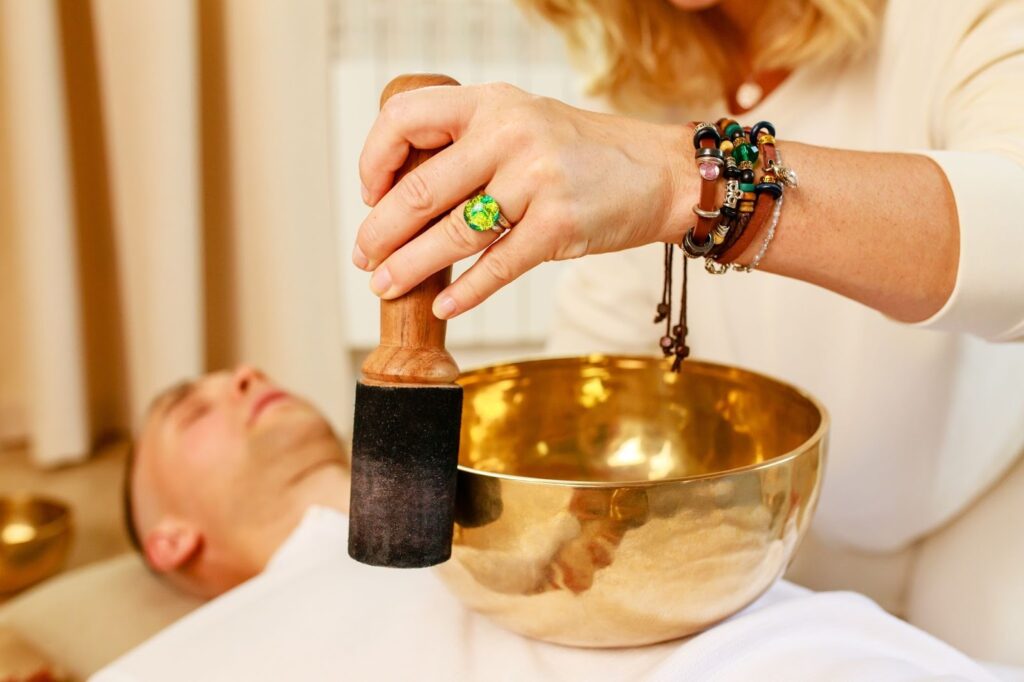
What Binaural Beats Add to Sound Bath Meditation When Used Carefully
Some sound bath meditation experiences incorporate binaural beats, which involve playing two slightly different tones—one in each ear—so the brain perceives a third “beat” as the difference between them. When used thoughtfully, binaural audio can add a subtle rhythmic layer that supports relaxation, focus, or sleep, depending on its design. It’s not necessary for a powerful session, and it doesn’t replace the embodied effect of live instruments, but it can be a useful enhancement for recordings. The key is moderation, because overly synthetic sound can feel distracting or fatiguing for some listeners. If you’re experimenting with binaural components in sound bath meditation, choose a track that feels gentle and spacious rather than intense or overly patterned. The best signal is your body: if you feel calmer and more settled, it’s serving the purpose.
Headphones Make the Difference
Binaural beats require separate tones in each ear to create the perceived beat. In sound bath meditation recordings, headphones typically matter if binaural audio is part of the design.
Subtle Is Usually Better
If the beat becomes the main event, the mind can start tracking it too actively. In sound bath meditation, a softer approach tends to support drifting rather than analysis.
Choosing the Right Sound Bath Meditation Frequency Style for Your Goal
Because frequency ranges can feel different in the body, it helps to match sound bath meditation styles to what you want from the session. If your goal is deep rest, you may prefer warmer, lower tones and a slower pace, especially near the end of the day. If your goal is clarity and emotional lift, you might enjoy brighter tones and lighter instruments, as long as they’re not sharp or overly loud. Some people benefit most from variety—a session that starts grounded, moves through complexity, and resolves into silence—because it mirrors the arc of release. If you’re sensitive to sound, prioritize facilitators who emphasize gentle volume, gradual transitions, and clear grounding at the beginning. Sound bath meditation is personal; the “best” frequencies are the ones your nervous system trusts enough to let go around.
Visit The Living Church San Francisco’s blog to learn more about sound bath meditation.