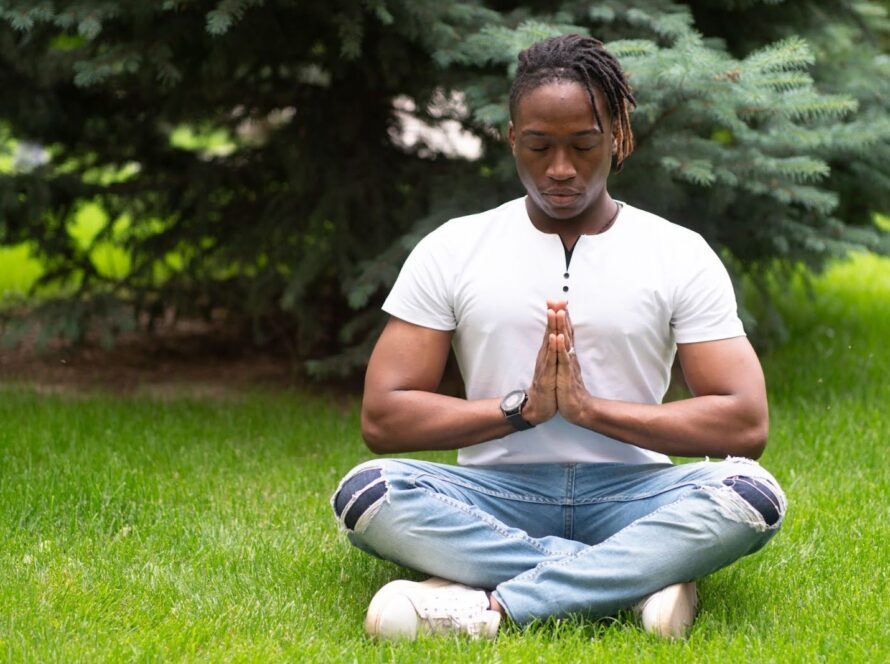
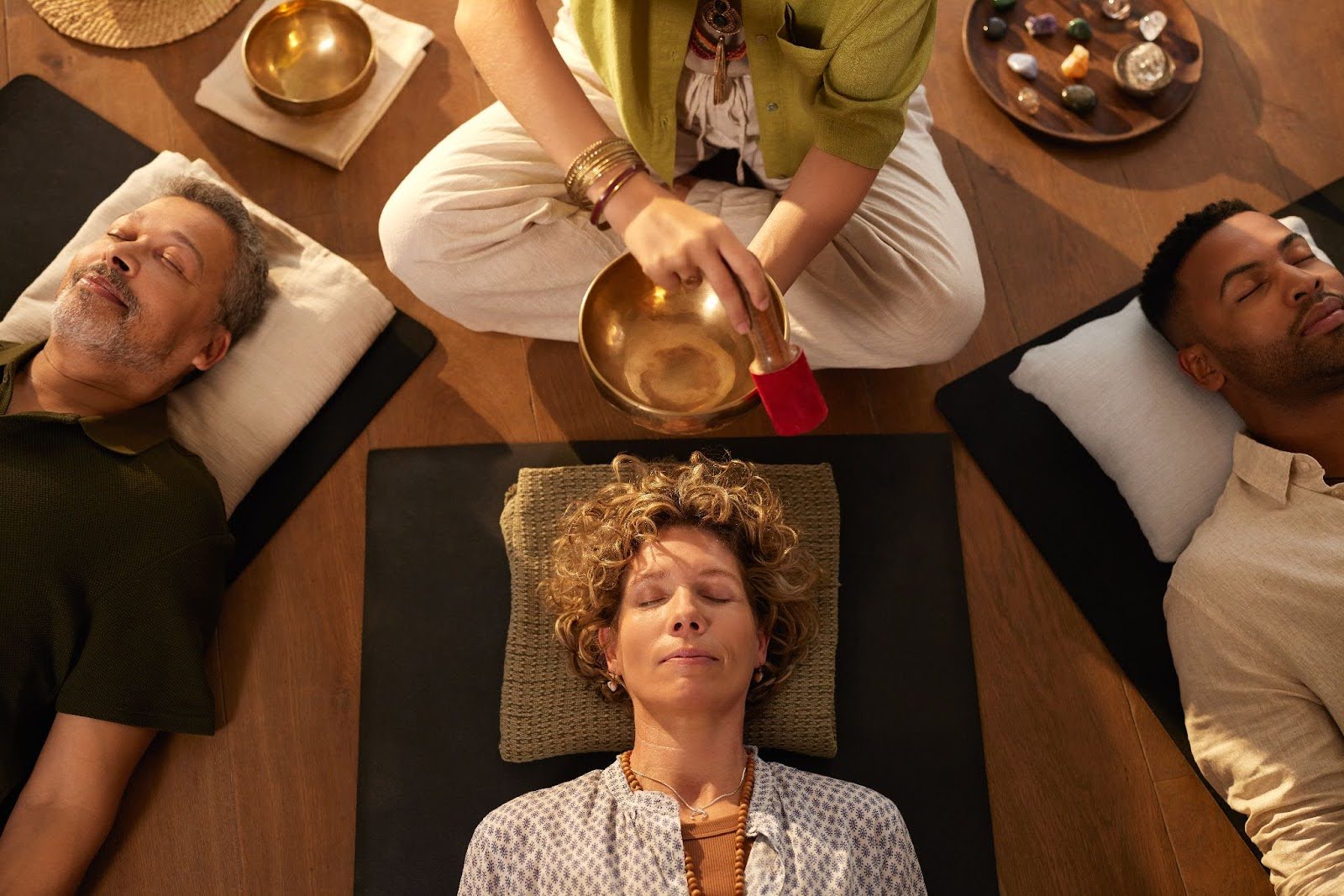
Sound bathing has become a practical refuge for people navigating constant mental pressure and sensory overload. Long workdays, digital noise, and ongoing responsibilities leave little room for the nervous system to recover. Sound bathing answers this reality by offering structured listening that encourages the body to slow down without mental effort. Through sustained tones and gentle vibrations, the practice supports physiological calm rather than intellectual problem-solving. Many people turn to sound bathing because it feels grounding, manageable, and aligned with how stress actually shows up in daily life.
Sound Bathing as a Stress Relief Practice
Sound bathing is a relaxation practice centered on intentional exposure to resonant sound frequencies. Instead of asking the mind to focus or clear thoughts, this method shifts attention toward sensory listening. This redirection reduces cognitive strain and supports natural relaxation responses. As a result, sound bathing has become a widely adopted option in wellness centers, clinics, and professional environments.
What Sound Bathing Means in Daily Life
Sound bathing typically involves resting comfortably while layered sounds fill the space. These sounds come from instruments such as singing bowls, gongs, or chimes, each producing sustained tones rather than melodies. The listening experience remains immersive and uninterrupted, which helps the body stay present. Unlike casual background music, sound bathing invites full sensory attention. Sessions usually last between thirty and sixty minutes to allow the nervous system time to respond. This consistent structure makes the practice approachable for people with busy schedules.
How Sound Bathing Differs From Music Listening
Music often activates memory, emotion, and mental imagery, thereby increasing cognitive engagement. Sound bathing avoids this effect by focusing on tonal consistency rather than rhythm or lyrics. This tonal environment minimizes mental interpretation and supports physiological calm. Facilitators also manage pacing and volume carefully to maintain predictability. This steady delivery reduces sensory surprises that might trigger stress responses. Over time, listeners associate these sounds with safety and rest.
Why Stress Relief Clients Choose Sound Bathing
People experiencing stress often seek methods that do not demand performance or concentration. Sound bathing meets this need by requiring no physical movement or prior experience. The practice allows participants to rest while still engaging in a structured process. Many report noticeable relaxation after a single session. Continued exposure tends to strengthen these responses as the body becomes familiar with the sound patterns. This accessibility explains its growing appeal across diverse populations.
Sound Bathing and the Nervous System
Sound bathing interacts directly with the nervous system through rhythm, vibration, and sustained tone. These sensory inputs automatically influence stress regulation, without conscious control. The body responds by shifting away from heightened alertness. This interaction makes sound bathing effective even when the mind feels overwhelmed.
Brainwave Response to Sustained Sound
The brain naturally switches between different wave states in response to stimulation. During sound bathing, slow and repetitive tones encourage calmer brainwave activity associated with rest. These states support mental ease and reduced reactivity. Unlike fast or dynamic audio, sound bathing maintains steady soundscapes. This consistency helps the brain remain settled rather than alert. Clinical observations of wellness support this neurological response.
Stress Hormones and Sound Exposure
Stress activates hormonal responses that prepare the body for action. Sound bathing helps counter this activation by encouraging parasympathetic nervous system activity. Participants often experience slower breathing and reduced heart rate during sessions. These changes reflect decreased stress signaling. According to recent clinic-based wellness data, consistent sound exposure supports measurable relaxation markers. This physiological shift explains why many feel calmer afterward.
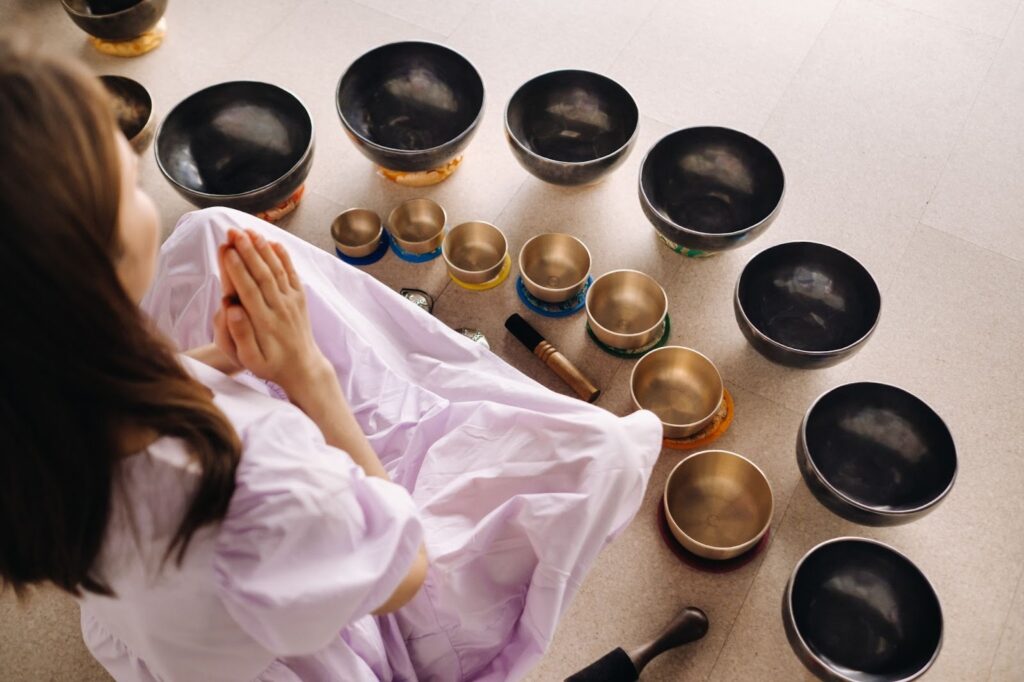
Alt-text: Overhead view of a Tibetan woman in a prayer posture facing singing bowls before a sound bath experience
Stillness and Sensory Focus
Physical stillness enhances the effectiveness of sound bathing. Remaining motionless reduces competing sensory input, allowing sound to take precedence. This focus helps the nervous system process vibrations more fully. Many participants report greater relaxation when movement is minimal. Over time, the body learns to associate stillness paired with sound as a cue for calm. This association strengthens stress regulation.
Emotional Regulation Through Sound Bathing
Sound bathing supports emotional regulation by offering a nonverbal processing space. This approach allows emotions to surface without requiring analysis or explanation. Participants often experience emotional clarity through sensation rather than thought. Over time, this exposure supports healthier emotional awareness.
Emotional Release Without Language
Sound vibrations can gently activate emotional responses. Some people notice feelings of calm, while others experience subtle emotional shifts. These reactions occur without narrative or interpretation. The steady sound environment helps contain emotional responses safely. This containment prevents overwhelm during the session. With repeated practice, emotional release becomes more familiar and manageable.
Reducing Overthinking and Mental Noise
Chronic stress often leads to persistent mental chatter. Sound bathing redirects attention away from repetitive thoughts toward sensory experience. This shift interrupts rumination patterns. As listening deepens, mental noise often quiets naturally. Participants frequently report improved clarity after sessions. This mental relief supports emotional balance.
Building Emotional Awareness Gradually
Regular sound bathing encourages awareness of internal states. Participants begin recognizing emotional tension earlier. This awareness supports more thoughtful responses to stress. The practice fosters curiosity rather than self-criticism. Emotional regulation improves through repetition. Over time, this awareness carries into daily interactions.
Physical Relaxation and Stress Reduction
Stress frequently manifests as muscle tension, fatigue, and shallow breathing. Sound bathing addresses these physical responses directly through vibration. The body relaxes without manual intervention. This passive approach supports sustained physical ease.
Muscle Tension and Vibrational Sound
Sound waves interact subtly with muscles and connective tissue. Many participants feel tension release as sessions progress. This release occurs without stretching or exertion. Sensations such as warmth or heaviness often accompany relaxation. These physical cues indicate reduced guarding. Over time, habitual tension patterns soften.
Breathing Patterns During Sessions
Stress encourages rapid and shallow breathing. Sound bathing naturally slows respiration by guiding attention inward. The rhythm of sound supports deeper, steadier breaths. Improved breathing enhances oxygen exchange. Participants rarely need instruction to achieve this effect. The body responds instinctively.
Supporting Sleep Quality
Stress frequently disrupts sleep cycles. Sound bathing prepares the body for rest by calming the nervous system. This calming effect often continues after sessions end. Many participants report falling asleep more easily. Some incorporate recordings into bedtime routines. Consistent use supports more stable sleep patterns.
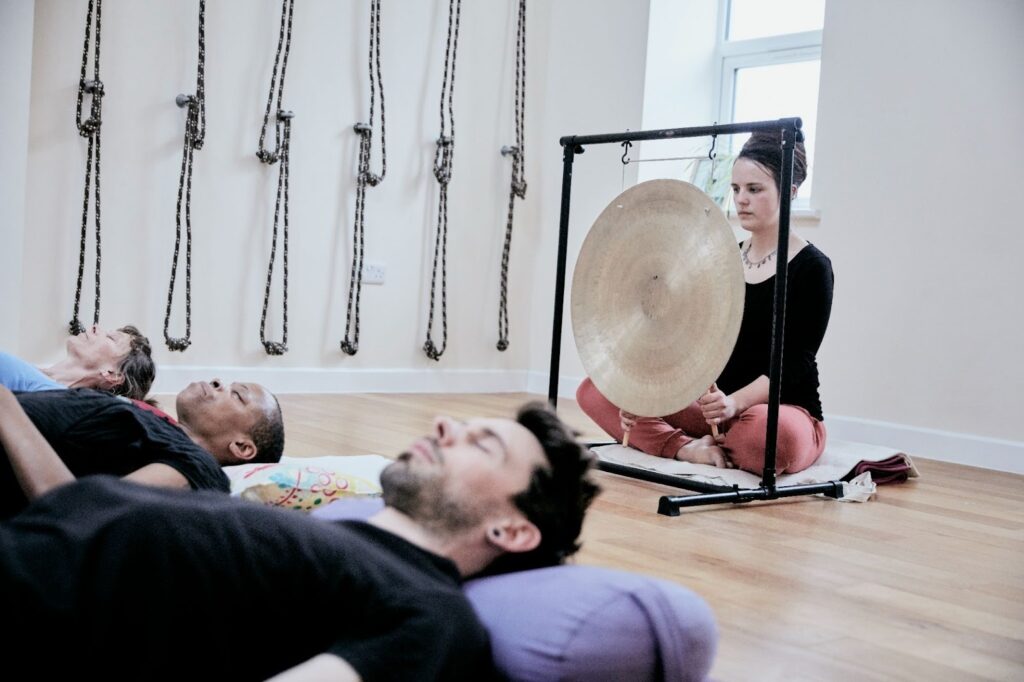
Alt-text: Sound therapy session with a woman playing a gong and three participants lying on their backs in a relaxed state
Sound Bathing in Wellness and Workplaces
Sound bathing has expanded beyond private sessions into structured programs. Wellness centers and organizations now adopt it to address burnout. This expansion reflects increased awareness of stress-related challenges. Sound bathing offers relief without productivity demands.
Workplace Stress and Group Sound Sessions
Workplace stress often stems from sustained cognitive load. Group sound-bathing sessions offer shared moments of calm. These sessions help employees reset collectively. Participants usually return to work feeling refreshed. The format requires minimal effort from attendees. Organizations value its simplicity.
Integration Into Wellness Programs
Wellness programs increasingly include sound bathing alongside movement-based practices. This combination balances active and passive care. Sound sessions offer rest between physical activities. Participants appreciate the contrast. Program feedback shows strong engagement. This integration supports comprehensive stress management.
Accessibility and Inclusive Design
Sound bathing accommodates diverse physical needs. Sessions require minimal movement and adaptation. Facilitators adjust sound levels and positioning. Clear explanations help participants feel comfortable. This inclusivity strengthens trust. Accessibility remains a defining feature.
Scientific Insight Into Sound Bathing
Scientific interest in sound-based therapies continues to grow. Researchers examine how sound affects stress physiology. Findings increasingly align with participant reports. Sound bathing remains an evolving area of study.
Research on Relaxation Responses
Studies show sound exposure influences heart rate variability. This measure reflects nervous system balance. Sustained tones encourage parasympathetic activation. That activation supports relaxation. Clinical wellness studies reinforce these outcomes. Research continues to expand.
Psychological Outcomes From Sound Exposure
Sound exposure also affects mood and perception. Participants report reduced anxiety after sessions. Emotional clarity often improves temporarily. These outcomes align with stress relief goals. Controlled environments enhance reliability. Sound bathing provides this structure.
Integrating Sound Bathing Into Stress Care
Sound bathing works best as part of an ongoing wellness routine. This practice complements therapeutic or medical care. Integration does not require significant lifestyle changes. Many people adopt it gradually.
Creating Consistent Listening Habits
Consistency strengthens sound bathing benefits. Short sessions fit into daily routines. Scheduling reduces decision fatigue. Recorded options increase flexibility. Familiarity deepens relaxation responses. This routine supports resilience.
Using Sound Responsibly
Excessive sound exposure may overwhelm some listeners. Responsible practice respects individual comfort levels—volume and session length matter. Facilitators guide safe pacing. Self-awareness prevents discomfort. Balance supports long-term benefit.
Why Sound Bathing Supports Lasting Stress Relief
Chronic stress affects emotional stability and physical health. Sound bathing offers grounded sensory support without demands. This approach meets people where they are. Its relevance continues to grow.
Addressing Stress Patterns Proactively
Stress patterns often develop gradually. Sound bathing encourages regular body awareness. This awareness supports timely adjustments. Listening sessions reveal subtle tension. Over time, responses become more intentional. Prevention integrates into routine care.
Sound Bathing as a Practical Wellness Choice
Sound bathing adapts easily to varied lifestyles. The practice requires minimal preparation. Personal boundaries remain respected. Many find it easier than other methods. Regular use supports stability. Sound bathing remains a reliable stress-relief option.
Shift Stress Patterns Using Sound Bathing
Sound bathing offers a steady way to interrupt stress habits that quietly build over time. When paired with spiritual guidance, this practice creates space for grounding, reflection, and inner alignment. Rather than pushing for mental control, sound bathing works through the body, where stress often settles first. Over time, integrating sound bathing with spiritual guidance can support a calmer nervous system, clearer perspective, and a more balanced response to daily pressures.
Visit the The Living Church San Francisco blog to explore thoughtful perspectives on sound bathing, wellness, and modern stress care.