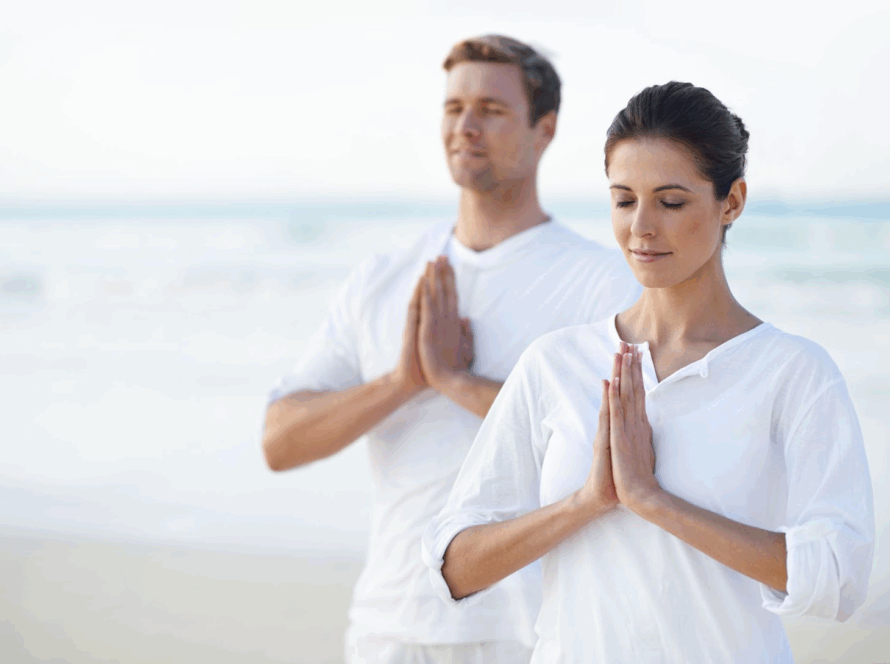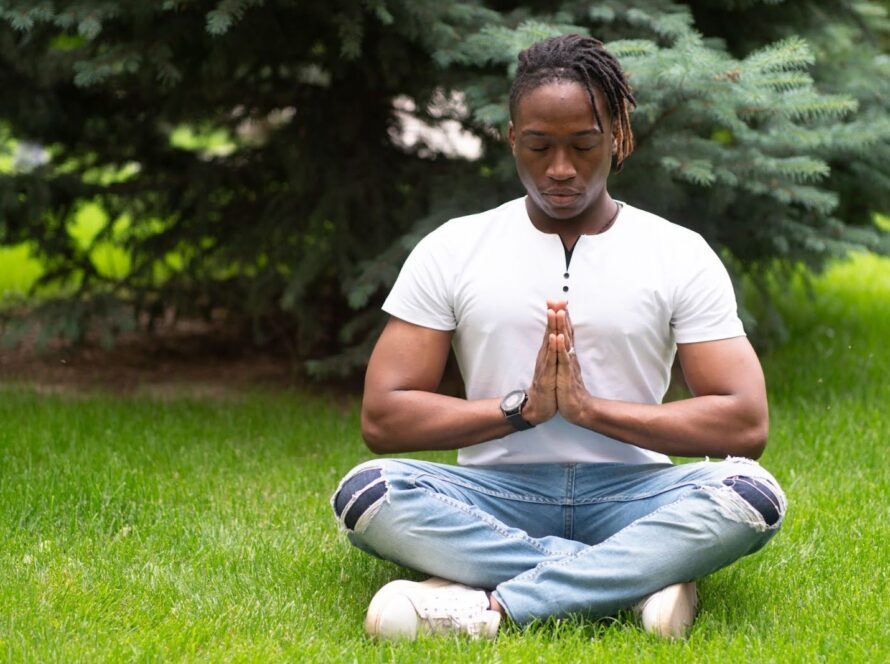
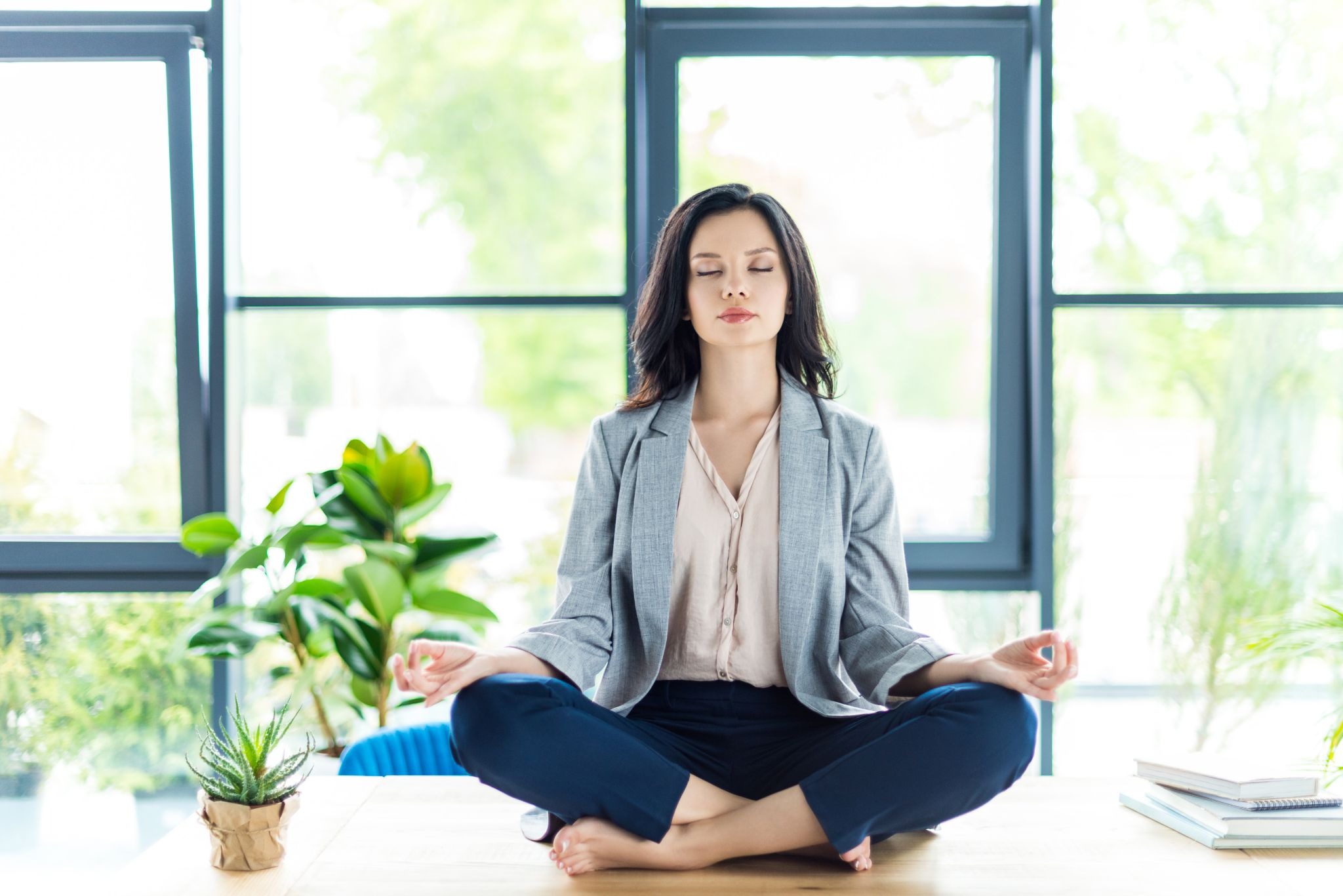
Stress shapes how people think, feel, and respond to daily demands in subtle ways. Many individuals carry pressure quietly, even when life appears manageable on the surface. Over time, that pressure builds into tension that affects focus, sleep, and emotional balance. Meditation has become a practical option for those seeking steady relief without complex routines. Interest continues to grow as more people look for simple methods that support mental clarity and long-term well-being.
Understanding Stress and Its Impact
Stress refers to the body’s response to pressure, triggering mental and physical reactions. This response often begins with small challenges that gradually build over time. Daily routines, responsibilities, and expectations can increase that pressure without clear warning signs. Understanding how stress develops helps people recognize when they need effective coping methods.
Common Causes of Daily Stress
Daily stress often stems from overlapping responsibilities that demand constant attention and energy. Work deadlines can stretch focus across multiple tasks without enough recovery time. Financial concerns add ongoing pressure that remains present throughout daily routines. Digital distractions also keep the mind active, even during moments meant for rest. Social expectations can increase pressure to meet certain standards or maintain appearances. These combined factors create a steady buildup that many people experience without realizing its full impact.
How Stress Affects Mind and Body
Stress affects both mental clarity and physical health through measurable biological responses. The body releases cortisol, a hormone that prepares it for action but drains energy over time. People often experience muscle tension, fatigue, and disrupted sleep patterns during prolonged stress. The mind may struggle with focus, leading to irritability and scattered thinking. Long-term exposure can increase risks to heart health and immune function, according to clinical findings from organizations such as the American Psychological Association. These effects highlight why managing stress remains important for overall well-being.
What Meditation for Stress Means
Meditation for stress focuses on calming the mind through controlled attention and awareness. This practice trains individuals to observe their thoughts without immediately reacting. Modern approaches make meditation flexible and accessible for different lifestyles. Understanding its purpose helps remove hesitation and encourages consistent use.
Simple Explanation of Meditation
Meditation involves focusing attention on a specific point, such as breathing or sensations. This practice does not aim to stop thoughts; rather, it encourages awareness of them. Many beginners expect complete silence in the mind, yet that expectation often leads to frustration. Instead, meditation teaches how to notice thoughts and return focus gently. Over time, this process builds mental clarity and emotional balance. This approach makes meditation useful even for people with busy schedules.
Types of Meditation for Stress Relief
Different meditation styles offer options that suit various preferences and comfort levels. Mindfulness meditation encourages awareness of the present moment without judgment. Guided meditation uses spoken instructions, which can help beginners stay focused. Breathing techniques create a steady rhythm that calms the nervous system. Body scan practices help release tension by directing attention to physical sensations. Movement-based methods, such as yoga meditation, combine physical activity with mental focus for a balanced experience.
Meditation Compared to Relaxation
Meditation differs from relaxation by focusing on awareness rather than temporary comfort. Relaxation techniques often reduce tension but do not address thought patterns. Meditation works by observing those patterns and changing responses to stress triggers. This method trains the mind to pause instead of reacting automatically. Over time, this change leads to stronger emotional control in daily situations. This distinction explains why meditation supports long-term stress management rather than short-term relief.
Science Behind Meditation for Stress
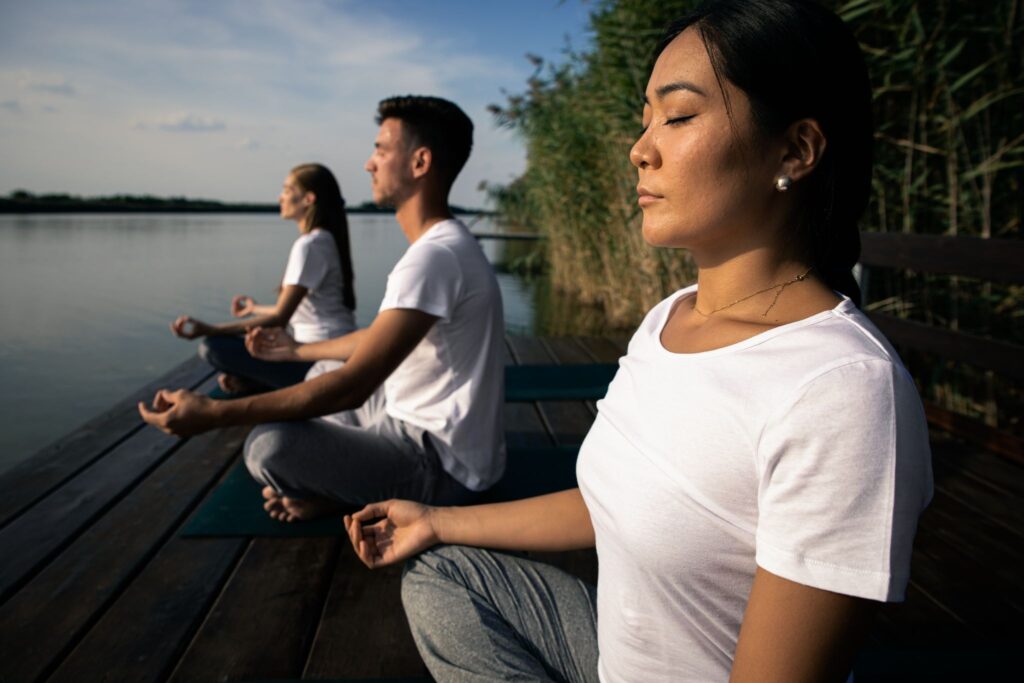
Scientific research shows that meditation affects both brain function and physical health. This evidence helps explain why people experience reduced stress after consistent practice. Studies highlight measurable changes in how the brain processes emotions and attention. Understanding these findings supports meditation as a credible stress management method.
Brain Changes from Meditation Practice
Meditation alters brain activity in areas linked to stress and emotional regulation. Research shows reduced activity in the amygdala, which processes fear and stress responses. At the same time, regions responsible for focus and awareness become more active. This shift allows individuals to respond to stress with greater clarity and control. Long-term practice strengthens these patterns through brain adaptability, often called neuroplasticity. This change supports improved emotional balance in everyday situations.
Physical Health Benefits of Meditation
Meditation supports physical health by promoting relaxation within the body. Heart rate often slows, and breathing becomes steady during practice. Cortisol levels may decrease, which helps reduce overall tension. Many people report better sleep patterns after maintaining a routine. The immune system can also benefit from reduced stress levels over time, based on findings from institutions like Mayo Clinic. These changes contribute to improved overall health and resilience.
Research Evidence on Stress Reduction
Clinical studies confirm that meditation reduces stress and improves emotional well-being. Participants in research trials often report lower anxiety levels after consistent sessions. Long-term studies suggest that these benefits remain stable with continued practice. Researchers also observe improved resilience during challenging situations. Evidence from mental health studies supports meditation as a reliable tool for stress relief. This growing body of research strengthens confidence in its effectiveness.
Nervous System and Stress Regulation
Meditation for stress works by regulating the nervous system and shifting the body out of a constant state of alertness. This process activates the parasympathetic response, which supports rest, recovery, and steady breathing. In contrast, ongoing stress keeps the body in a fight-or-flight state, draining energy and affecting focus. Many people remain in this heightened state without recognizing its impact on daily health. Meditation interrupts this pattern by encouraging calm awareness and controlled breathing. With consistent practice, the body learns to return to a balanced state more easily, improving both mental clarity and physical resilience.
Benefits of Meditation for Stress Relief
Meditation offers practical benefits for mental and emotional health. This practice helps individuals manage daily challenges with greater clarity and control. Many people notice gradual improvements that extend beyond individual sessions. These benefits build over time with consistent effort and awareness.
Emotional Clarity and Focus Improvements
Meditation improves emotional clarity by creating space between thoughts and reactions. This space allows individuals to process feelings without immediate judgment. Anxiety often becomes easier to manage as awareness increases. Focus improves because the mind learns to stay present during tasks. Clear thinking supports better decisions in personal and professional situations. This benefit strengthens confidence in handling daily challenges.
Behavioral and Lifestyle Changes
Meditation influences behavior by encouraging thoughtful responses instead of impulsive reactions. People often develop more patience when dealing with stressful situations. Communication improves as awareness increases during interactions. Decision-making becomes more deliberate and less reactive over time. These changes create healthier patterns in daily routines. This shift supports a more balanced and stable lifestyle.
Long-Term Stress Management Results
Meditation builds long-term resilience by strengthening the mind’s response to stress. Regular practice helps reduce the intensity of stress triggers over time. Individuals often feel more in control during challenging situations. This consistency creates a steady sense of calm that extends beyond meditation sessions. Stress becomes easier to manage rather than overwhelming. These long-term results make meditation a valuable addition to daily life.
Emotional Resistance in Meditation
Emotional resistance in meditation refers to the discomfort that arises when quiet moments surface hidden thoughts and feelings. This reaction often occurs because the mind no longer has distractions to avoid unresolved concerns. Many beginners expect immediate calm, yet they encounter restlessness or unease instead. This experience can feel discouraging, but it reflects how the mind processes stored emotions rather than a failure of the practice. Focusing on breathing while allowing thoughts to pass without judgment helps reduce this resistance over time. With consistent effort, these emotions become easier to manage, leading to greater awareness and stronger stress control.
How to Start Meditation for Stress
Starting meditation requires simple steps that fit easily into daily routines. This process focuses on building a habit rather than achieving perfection. Small efforts can lead to noticeable improvements over time. Consistency helps turn meditation into a natural part of everyday life.
Easy Steps to Begin Meditation Practice
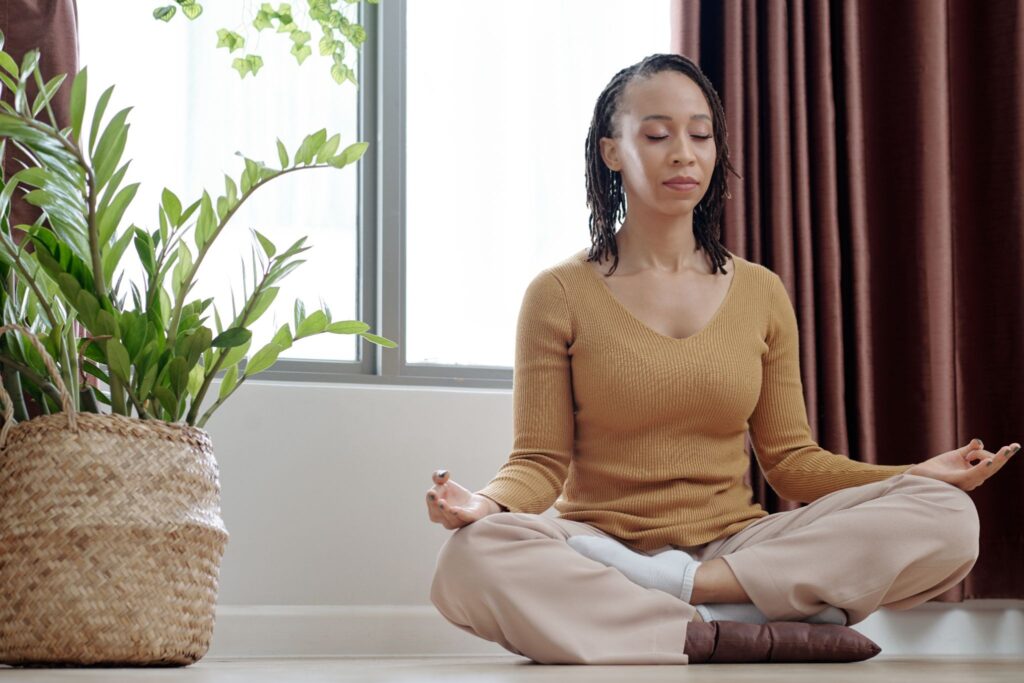
Beginners can start meditation by choosing a quiet space with minimal distractions. Sitting in a comfortable position helps maintain focus without physical strain. Focusing on breathing provides a simple and effective starting point. Short sessions, even a few minutes, can create meaningful progress. Guided tools or apps can support beginners who need structure. This approach helps build confidence and consistency over time.
Stay Consistent With Meditation Routine
Consistency determines how effective meditation becomes in managing stress. Setting a regular schedule helps establish a stable routine. Tracking progress can motivate individuals to continue practicing. Challenges may arise, yet returning to the practice builds discipline. Support from digital tools or communities can encourage regular sessions. This habit gradually becomes part of daily life rather than an added task.
Micro Meditation for Busy Schedules
Micro meditation offers a practical way to manage stress without long sessions. This approach focuses on short moments of awareness throughout the day. Many people find it easier to commit to brief practices rather than extended routines. This method makes meditation accessible for those with demanding schedules.
What is Micro Meditation?
Micro meditation involves practicing mindfulness in short intervals, often lasting under one minute. These moments can occur during routine activities, such as waiting or walking. Instead of setting aside large blocks of time, individuals focus on small, consistent pauses. This approach reduces pressure and makes meditation feel more natural. Over time, these short sessions build the same awareness as longer practices. This flexibility allows more people to benefit from meditation for stress.
How to Practice Micro Meditation Daily
People can practice micro meditation by focusing on their breath during simple tasks. For example, taking a few deep breaths while waiting in line can create a calming effect. Paying attention to physical sensations, such as footsteps, can also support awareness. These small actions help interrupt stress patterns throughout the day. Consistency matters more than duration when building this habit. This method fits easily into daily routines without requiring extra time.
Reduce Stress With Daily Meditation Habits
Meditation for stress becomes more effective when practiced consistently in simple, manageable ways. Daily sessions, even brief ones, help the mind respond with greater clarity and control. Each moment of awareness builds a steady foundation that supports better emotional balance over time. A supportive spiritual community can also reinforce this habit by offering shared encouragement and perspective. Choosing to begin, even in a simple way, can reshape how stress feels and how you handle it each day.
Continue your journey toward clarity and calm with more resources on The Living Church San Francisco blog.