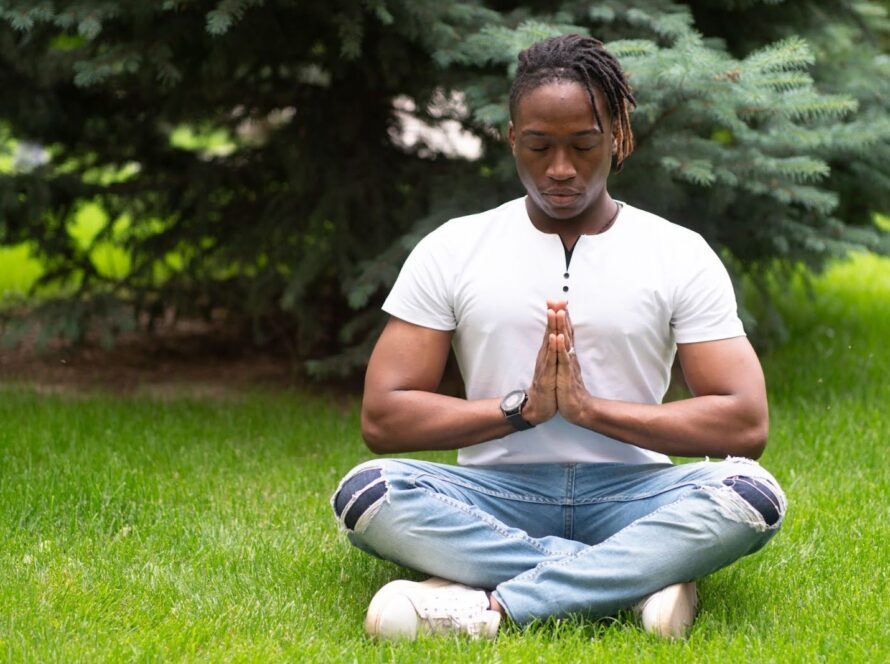

Starting a spiritual healing journey often begins quietly. It’s not always sparked by a dramatic moment or clear realization, but by a subtle sense that something inside you needs attention. You might feel disconnected, emotionally tired, or aware that old patterns keep resurfacing. Even without answers, that awareness is enough to begin.
Spiritual healing is not about fixing yourself or becoming someone new. It’s about creating space to understand what you’re carrying, what you’re ready to release, and what it means to feel whole again. The journey unfolds differently for everyone, and there is no single correct starting point.
Understanding What Spiritual Healing Is
Spiritual healing focuses on restoring balance within your inner world. It looks beyond surface-level stress and addresses the emotional, mental, and energetic layers that influence how you experience life. While it often overlaps with emotional healing or personal growth, spiritual healing is rooted in awareness, meaning, and inner connection.
What Spiritual Healing Often Includes
Spiritual healing may involve practices that help you slow down, reflect, and reconnect with yourself. These can look very different from person to person and may change over time.
Common elements include:
- Developing self-awareness and presence
- Exploring meaning, purpose, or inner values
- Processing emotional experiences with compassion
What Spiritual Healing Is Not
It’s just as important to understand what spiritual healing does not require. It does not demand a specific belief system, perfection, or constant positivity. Healing allows space for uncertainty, discomfort, and growth.
Signs You May Be Ready to Begin
People often begin spiritual healing during periods of transition or emotional strain. You may feel like you’ve outgrown certain habits, relationships, or ways of thinking, even if you can’t articulate what needs to change.
Emotional and Mental Signals
Readiness often shows up through internal experiences rather than external achievements. These signs don’t mean something is wrong—they suggest awareness is growing.
You might notice:
- Persistent emotional fatigue or restlessness
- Repeating patterns that no longer feel aligned
- A sense of disconnection from yourself or others
Life Moments That Prompt Healing
Spiritual healing is frequently sparked by change. Loss, stress, or major transitions can create moments where reflection feels unavoidable. These experiences often open the door to deeper inner work.
Letting Go of the Idea That Healing Should Be Linear
One of the biggest challenges at the beginning of a spiritual healing journey is releasing the expectation that progress should be steady or predictable. Healing rarely moves in a straight line. It unfolds in layers, often revisiting themes as your awareness deepens.
Why Setbacks Are Part of Growth
Moments of confusion or emotional heaviness don’t mean you’re moving backward. They often signal that deeper layers are surfacing. Each phase brings insight, even when it feels uncomfortable.
Learning to trust this rhythm helps reduce self-judgment and allows healing to happen more naturally.
Beginning With Awareness, Not Action
Before adopting spiritual practices or seeking guidance, it’s helpful to start with awareness. Awareness allows you to observe your inner experience without immediately trying to change it. This creates a stable foundation for healing.
Simple Ways to Build Awareness
Awareness doesn’t require dramatic effort. Small moments of attention throughout the day can reveal emotional patterns and inner responses.
This might include:
- Noticing emotional reactions as they arise
- Reflecting on recurring thoughts or beliefs
- Checking in with yourself during moments of stress
Awareness brings clarity, and clarity creates choice.

The Role of Stillness in Spiritual Healing
Stillness allows space for healing to unfold. When external noise quiets, inner awareness becomes clearer. Many people avoid stillness because it can initially feel uncomfortable, especially if emotions have been suppressed for a long time.
Stillness as a Tool for Insight
You don’t need to master meditation to experience stillness. Even brief moments of quiet presence can help regulate the nervous system and deepen self-understanding.
Examples include:
- Sitting quietly without distractions
- Spending intentional time in nature
- Practicing slow, mindful breathing
Stillness doesn’t demand answers—it invites them.
Exploring Spiritual Practices Without Pressure
Spiritual healing is exploratory by nature. There is no requirement to commit to a single practice or philosophy. What matters most is whether a practice supports your sense of grounding and connection.
Finding What Resonates
Some people connect with meditation or prayer, while others find healing through movement, creativity, or reflection, and those preferences often shift as your needs change over time. A helpful way to gauge whether a practice truly supports you is to notice if it helps you feel more present, brings a sense of calm or clarity, and feels supportive rather than forced. If a practice doesn’t meet those needs, it’s okay to let it go and continue exploring what feels more aligned.
Emotional Healing as Part of the Spiritual Journey
As awareness grows, unresolved emotions often surface. This is a natural and necessary part of healing. Spiritual healing doesn’t bypass emotional pain—it teaches you how to meet it with understanding.
Allowing Emotions Without Judgment
Healing begins when emotions are acknowledged rather than suppressed. Allowing yourself to feel without labeling emotions as good or bad creates space for release and integration.
When Support Is Helpful
There may be times when guidance from a therapist, counselor, or trusted mentor is essential. Seeking support is not a failure—it’s a form of self-respect.
Learning From Others While Trusting Yourself
Books, teachers, and spiritual leaders can offer insight and perspective, especially early on. However, no external source can replace your own inner knowing.
Healthy Guidance Encourages Autonomy
Supportive guidance empowers you to think critically, ask questions, and trust your intuition. Spiritual healing deepens your relationship with yourself, not dependence on others.
Bringing Spiritual Healing Into Everyday Life
Healing doesn’t only happen during reflection or practice. It shows up in daily interactions, boundaries, and choices. Integration is what turns insight into lasting change.
Subtle Signs Healing Is Taking Root
Spiritual healing often reveals itself quietly through:
- Gentler self-talk
- Improved emotional awareness
- A greater sense of calm during stress
These shifts matter more than dramatic breakthroughs.
Trusting the Beginning of Your Journey
Starting a spiritual healing journey doesn’t require certainty. It requires honesty and openness. Wherever you begin—confused, curious, or cautious—is exactly where you’re meant to be.
Healing is not about reaching a destination. It’s about reconnecting with yourself, one mindful step at a time, and allowing growth to unfold in its own rhythm.
Visit The Living Church San Francisco blog to learn more about our spiritual practices, church services, and more!