Starting something new can feel exciting and uncertain at the same time. Many people want better flexibility, less stress, and improved focus, yet feel unsure where to begin. You might wonder if you are flexible enough or strong enough to join a session. At the same time, you want clear guidance that supports steady progress without pressure. That search for the right starting point often leads people to explore yoga classes.
Why Yoga Classes Attract Beginners Today
Yoga classes appeal to beginners because they combine structured movement with mental focus. These sessions offer guided instruction rather than leaving students to figure out poses on their own. Many studios design entry-level programs that support first-time participants. This supportive environment helps newcomers feel comfortable from the first visit.
Growing Demand for Beginner Yoga Classes
Beginner yoga classes meet the rising demand for accessible fitness options that reduce stress and improve mobility. Many wellness brands and local studios now schedule level one sessions throughout the week to welcome new students. These entry programs usually focus on posture alignment, breathing techniques, and simple sequences. Clear instructions matter because beginners often lack familiarity with yoga terminology. Instructors explain terms like “asana,” which means posture, to prevent confusion. This structured format builds trust and helps students return consistently.
Common Goals New Students Bring
Most beginners join yoga classes with clear personal goals that shape their expectations. Many want relief from back tension caused by desk work and long commutes. Others seek better balance, improved flexibility, or stronger core muscles. Stress management also drives enrollment, especially among working professionals. According to data from organizations such as Yoga Alliance, stress reduction remains one of the most frequently cited reasons for participation. This range of goals makes it important to choose a class that aligns with your needs.
What to Know Before Choosing a Class
Choosing the right yoga class starts with understanding your current physical condition and lifestyle. Many beginners overlook this preparation step and rush into the most popular style. Your body type, past injuries, and weekly schedule all influence success. This careful self-review process helps prevent frustration later.
Assess Physical Readiness First
Physical readiness determines which yoga classes will feel manageable rather than overwhelming. Beginners should consider flexibility limits, joint sensitivity, and overall stamina before enrolling. If you manage chronic pain or recent injuries, consult a healthcare provider before starting. Many reputable studios request health disclosures to help instructors offer safe modifications. This precaution protects you and improves communication with your teacher. Clear awareness of your limits helps you select an appropriate beginner-level session.
Set Realistic Expectations for Progress
Progress in yoga classes happens gradually through consistent practice rather than dramatic leaps. Many beginners expect rapid gains in flexibility after only a few sessions. In reality, strength and mobility develop over weeks of steady attendance. You may notice improved posture and breathing control before visible flexibility changes. This gradual improvement pattern keeps motivation grounded in achievable milestones. Realistic expectations reduce disappointment and support long-term commitment.
Evaluate Instructor and Class Structure
Instructor quality shapes the beginner experience more than décor or studio size. Skilled teachers demonstrate poses clearly and offer step-by-step cues. They also offer variations, adjusted versions of poses that suit different abilities. This teaching approach allows beginners to work within their comfort zone. Additionally, structured classes follow a predictable flow that builds familiarity over time. Confidence grows when students understand what to expect in each session.
Check the Class Size
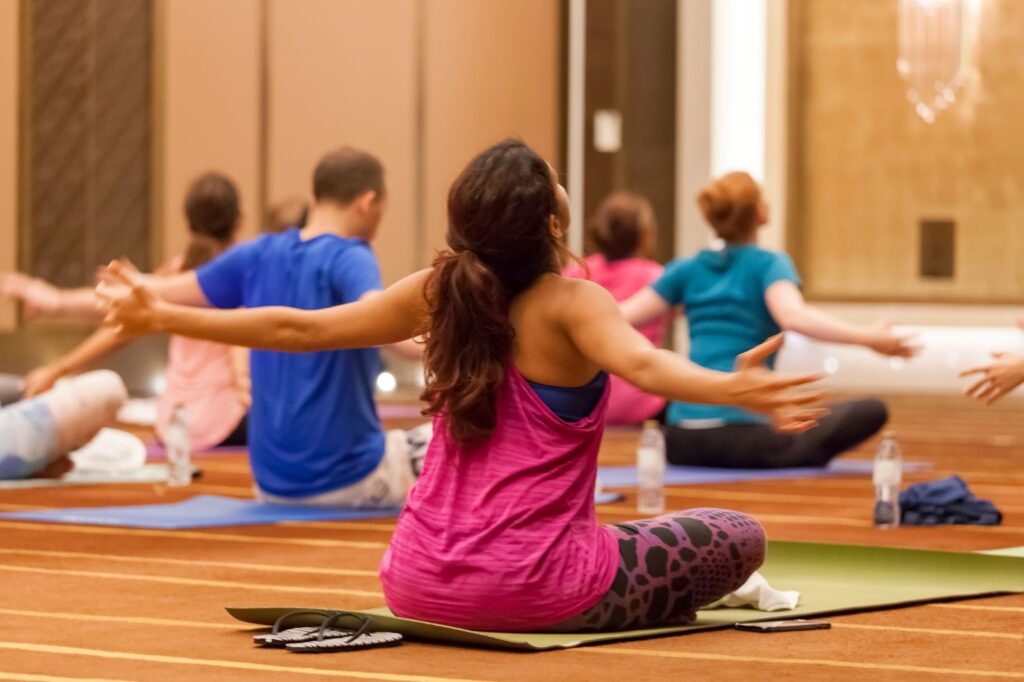
Class size directly affects how much attention and guidance you receive in yoga classes. Smaller groups often allow instructors to observe posture closely and offer timely corrections. This hands-on awareness helps beginners build proper alignment from the start. In contrast, larger classes may create energy and variety but limit individual feedback. When too many students share one room, beginners may hesitate to ask questions. Crowded settings can make it harder to see demonstrations clearly.
Best Yoga Classes for First-Time Students
Not all yoga classes offer the same experience for beginners. Some focus on slow instruction and alignment, while others emphasize movement and flow. Understanding these differences helps you avoid confusion and unnecessary strain. The following explains which class types truly support new students and why they work.
Hatha Yoga for Beginners
Hatha yoga classes introduce foundational poses at a steady and manageable pace. This style focuses on posture alignment and breathing awareness. Many experts recommend Hatha for beginners because it emphasizes basics over speed. This measured structure allows students to learn without feeling rushed.
What Happens in a Hatha Session
A typical Hatha yoga session begins with simple breathing exercises that center attention. The instructor then guides students through standing and seated poses with clear explanations. Each posture is held for several breaths, giving beginners time to adjust their alignment. This slower pacing supports safe learning and reduces confusion. Classes usually close with guided relaxation to calm the nervous system. Many beginners appreciate this balanced rhythm because it feels structured and reassuring.
Why Hatha Builds Strong Foundations
Hatha yoga classes build strength and stability through deliberate repetition of core poses. Beginners learn how to distribute weight evenly in standing positions like Warrior or Tree Pose. This alignment focus prevents unnecessary strain on joints and muscles. Over time, students develop improved balance and posture awareness. Additionally, steady breathing techniques are easier to maintain with minimal effort. This strong foundation prepares students for more dynamic styles later.
Why Sequencing Matters in Beginner Yoga Classes
Sequencing refers to the deliberate order in which poses appear during yoga classes. Thoughtful sequencing prepares muscles gradually before introducing more demanding movements. For beginners, this logical progression reduces strain and prevents fatigue from setting in too quickly. An experienced instructor designs classes so each pose builds on the previous one. This structure supports joint stability and steady breathing patterns. Poor sequencing, however, can leave students feeling rushed or physically taxed. Understanding this behind-the-scenes design helps beginners recognize the value of well-planned instruction.
Vinyasa Yoga for Active Beginners
Vinyasa yoga classes link movement with breath in a flowing sequence. This style feels more energetic than Hatha yet remains accessible for beginners. Many studios label these sessions as “slow flow” or “intro to Vinyasa” to signal suitability. This dynamic format appeals to those who enjoy continuous movement.
How Breath Guides Movement
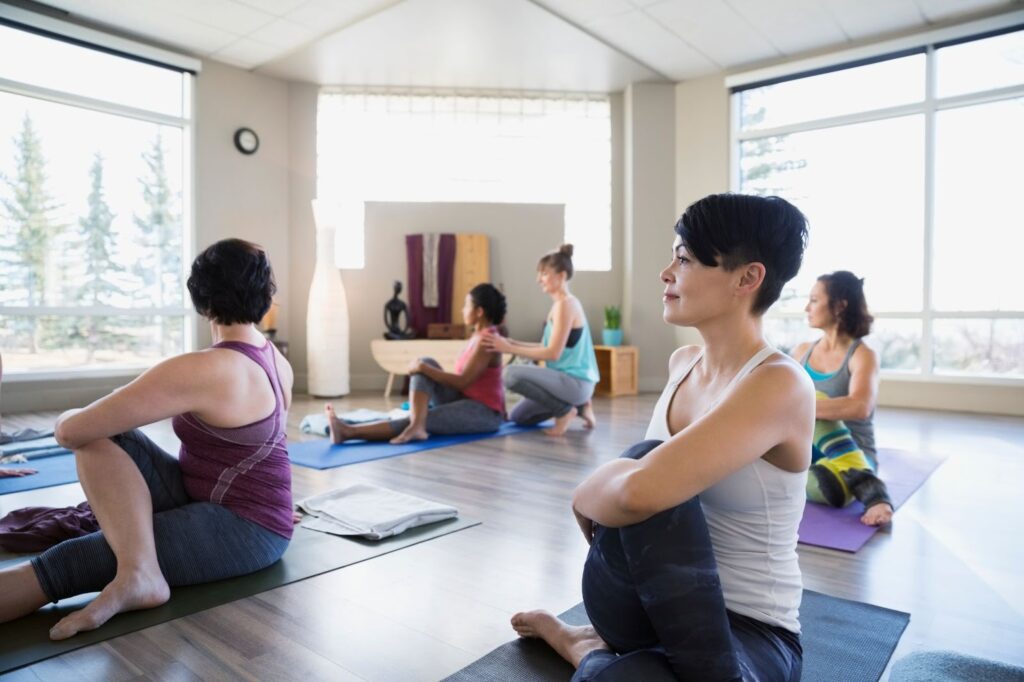
In Vinyasa yoga classes, each movement corresponds to either an inhale or an exhale. This breath coordination creates a steady rhythm throughout the session. Beginners learn to move intentionally rather than rushing through poses. Repeated sequences help students remember transitions more easily. This repetition builds familiarity and reduces hesitation during class. Over time, breath control enhances endurance and focus.
Who Benefits Most from Vinyasa
Active individuals who enjoy moderate cardio activity often prefer Vinyasa yoga classes. The following sequences gently increase heart rate without extreme intensity. This moderate challenge supports the development of muscle tone and stamina. However, beginners should still choose entry-level sessions to avoid overload. Clear instructor cues remain essential in faster-moving classes. This careful selection keeps the experience motivating rather than overwhelming.
Restorative and Yin Yoga Options
Restorative and Yin yoga classes focus on slower pacing and longer holds. These styles emphasize relaxation and deep-tissue stretching rather than constant movement. Many beginners choose these options when stress relief ranks high on their priority list. This calming environment suits individuals seeking a mental and physical reset.
Restorative Yoga for Deep Relaxation
Restorative yoga classes use props such as bolsters and blankets to fully support the body. Students hold comfortable poses for several minutes without muscular strain. This extended stillness helps calm the nervous system and reduce tension. Many participants report better sleep and improved mood after regular sessions. The pace remains gentle, making it accessible to most fitness levels. This supportive format allows beginners to ease into yoga without pressure.
Yin Yoga for Flexibility Gains
Yin yoga classes target connective tissues through passive, longer-held stretches. Beginners may feel mild intensity, yet the sensation should never become sharp pain. Instructors encourage patience and steady breathing during each hold. This approach gradually improves flexibility around the hips and spine. Over weeks of practice, the range of motion often increases noticeably. This slow method teaches body awareness and discipline.
Studio vs. Online Yoga Classes
Studio and online yoga classes both offer viable paths for beginners. In-person sessions provide direct supervision and community interaction. Online platforms deliver flexibility and convenience for busy schedules. This comparison helps you decide which environment supports your learning style.
Benefits of Studio-Based Yoga Classes
Studio yoga classes allow instructors to observe alignment and offer immediate corrections. Beginners benefit from real-time feedback that prevents bad habits. The shared space also fosters accountability and routine. Many students find motivation through group energy. Local wellness brands often design beginner packages to encourage consistent attendance. This structured environment can accelerate skill development.
Advantages of Online Yoga Sessions
Online yoga classes give beginners the freedom to practice at home. This convenience removes travel time and scheduling conflicts. Many reputable platforms offer beginner series led by certified instructors. However, students must pay close attention to alignment without physical corrections. This self-guided element requires focus and discipline. Choosing trusted providers improves safety and overall experience.
Start Smart With Beginner Yoga Classes
Beginner yoga classes offer a practical entry point that builds skill without pressure. When you choose a class designed for newcomers, you give yourself room to learn safely and steadily. The right environment replaces uncertainty with clarity and steady progress. Commit to a session that matches your pace and goals, and let consistent practice shape lasting results.
Stay informed and inspired through The Living Church San Francisco blog, your trusted space for meaningful growth and mindful practice.