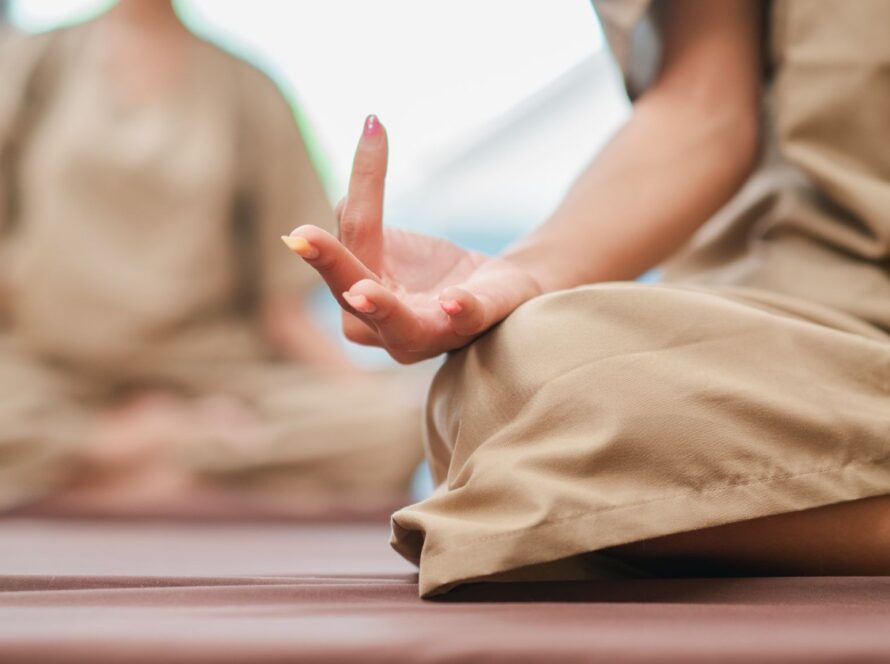

Life moves quickly, and many people carry quiet worries through daily routines. Praying offers a steady pause that brings focus and calm in those moments. It creates space to reflect, reset thoughts, and reconnect with deeper emotions. Some people turn to it during hardship, while others express gratitude and hope. Over time, praying becomes a reliable way to find clarity and emotional balance.
Meaning and Purpose of Praying
Praying means intentional communication that connects thoughts, emotions, and personal beliefs. It allows individuals to express concerns, gratitude, or hope in a focused way. This spiritual practice builds a bridge between inner experiences and a broader sense of purpose. Many people rely on praying to stay grounded during both ordinary and challenging moments.
Prayer Across Different Beliefs
Across cultures, prayer appears in many forms yet shares a common goal of reflection and connection. Some people follow structured rituals, while others prefer personal and informal expressions. This diversity shows how flexible spiritual practices can be across belief systems. Research from the Pew Research Center highlights how prayer remains widely practiced worldwide. Many traditions use it to reinforce values and strengthen identity. This shared purpose helps people feel connected despite differences.
Why People Pray in Daily Life
Daily life often brings stress, uncertainty, and emotional pressure that require an outlet. Many individuals turn to prayer to regain focus and emotional balance. This habit develops because it offers comfort during both small and overwhelming moments. Some seek guidance, while others use it to quietly process thoughts. This consistent reflection supports a sense of stability throughout the day. Over time, it becomes part of a reliable daily rhythm.
Key Benefits of Praying for Everyday Life
Praying influences daily routines by creating space for reflection and emotional reset. It helps people manage stress while improving focus and decision-making. This practice also supports stronger relationships and a sense of inner stability. These combined effects shape how individuals respond to challenges, maintain balance, and build a more grounded approach to everyday living.
Clearer Thinking and Emotional Balance
Mental clarity improves when individuals create time for reflection and emotional release. A focused pause helps separate immediate reactions from deeper understanding. This process reduces mental clutter and supports more effective thinking. Many wellness experts connect reflective practices with improved emotional stability.
Prayer and Mental Clarity
A quiet moment of reflection allows thoughts to settle without distraction. This mental space helps organize ideas and reduces constant overthinking. Consistent practice strengthens concentration and improves focus over time. Research from Harvard Medical School supports how reflective habits enhance cognitive clarity. Many people notice improved decision-making through regular mental reset. This clarity carries into daily tasks and interactions.
Prayer Reduces Stress and Anxiety
Stress often builds when the mind stays active without rest or direction. A focused moment of reflection shifts attention from worry to calm thinking. This shift slows breathing and relaxes the body’s stress response. Many professionals connect this effect with proven relaxation techniques. This calming process reduces anxiety levels with consistent practice. Over time, individuals feel more in control during stressful situations.
Emotional Strength Through Reflection
Emotional resilience grows when individuals have a safe space to process their feelings. A reflective habit allows expression of fear, hope, and frustration without pressure. This release prevents emotional buildup that can lead to stress. Many people find comfort in having a consistent outlet for their thoughts. This process strengthens the ability to handle difficult situations. Over time, emotional responses become more balanced and steady.

Neurological Effects of Reflective Practice
Regular reflection activates brain areas linked to focus and emotional regulation. This activity explains why many people feel calmer after consistent practice. Neuroscience research shows that reflective habits strengthen pathways tied to attention. Findings referenced by Harvard Medical School support these cognitive benefits. This brain response adds a scientific layer to personal experiences. Over time, consistent engagement supports long-term mental clarity.
Physical Calm and Restful Sleep
Physical well-being improves when the body experiences regular moments of calm. Reflection encourages slower breathing and reduced muscle tension. This process helps regulate the body’s response to stress. Many health experts recognize this connection within holistic wellness practices.
Relaxation Response from Reflection
A calm state begins when the body shifts away from tension and stress. Slower breathing and a steady rhythm support physical relaxation. This response allows the body to recover from daily strain. Research from Mayo Clinic links relaxation techniques to improved health outcomes. Many people notice reduced physical discomfort after consistent practice. This calm often extends throughout the day.
Improved Sleep Through Reflection
Evenings often carry lingering thoughts that disrupt rest and recovery. A quiet, reflective routine helps clear those thoughts before sleep. This process creates a sense of closure, preparing the mind for rest. Many experts recommend calming habits to improve sleep quality. This approach reduces nighttime anxiety and supports deeper rest. Over time, sleep patterns become more stable and refreshing.
Stronger Connections and Social Support
Relationships improve when individuals practice patience, empathy, and thoughtful communication. Reflection encourages people to pause before reacting emotionally. This pause supports healthier interactions and better understanding. Many communities also use shared practices to strengthen social bonds.
Strengthening Personal Relationships
Stronger relationships develop when individuals reflect on their actions and responses. This awareness improves communication during difficult conversations. It also encourages forgiveness and reduces misunderstandings. Many people notice improved interactions through consistent reflection. This shift builds trust and emotional stability over time. Relationships become more balanced and supportive.
Community Bonding Through Shared Practice
Shared moments of reflection create a sense of belonging among individuals. These experiences strengthen emotional connections within a group. Many church communities use prayer gatherings to support collective well-being. This connection encourages and reduces feelings of isolation. People feel supported when they share meaningful practices with others. Over time, communities grow stronger and more unified.

Personal Growth and Self-Awareness
Personal growth develops through consistent reflection and intentional habits. A regular pause allows individuals to reflect on their thoughts and actions. This process supports alignment with personal values and goals. Many people rely on reflection to guide long-term development.
Discipline Through Daily Routine
Discipline grows when individuals commit to a consistent daily practice. A structured routine supports time management and focus. This habit strengthens commitment in other areas of life. Many successful routines include moments of quiet reflection. This consistency reinforces positive behavior patterns. Over time, individuals build stronger personal discipline.
Strengthening Habits Through Consistency
Strong habits develop when routines connect to a meaningful daily moment. A structured practice encourages repetition, which supports discipline over time. Behavioral research shows that habits tied to purpose tend to last longer. This connection makes routines feel intentional rather than forced. Many people maintain other positive habits alongside this steady practice. Over time, consistency supports lasting personal growth.
Self-Awareness Through Reflection
Self-awareness increases when individuals take time to reflect honestly. This process helps evaluate thoughts, actions, and emotional responses. Greater awareness supports better decision-making in daily life. Many people gain clarity about their goals through consistent reflection. This understanding creates opportunities for improvement. Over time, individuals develop a deeper sense of identity.
Better Decisions Through Guided Reflection
Clear decision-making improves when individuals create space for thoughtful evaluation. A reflective pause reduces impulsive reactions and encourages careful thinking. This process strengthens judgment and supports balanced choices. Many people align decisions with personal values through reflection. This alignment builds consistency across responsibilities and relationships. Over time, individuals develop stronger accountability and direction.
Inner Peace and Sense of Purpose
A sense of purpose often grows when individuals connect with deeper beliefs. Reflection provides a pathway to explore meaning beyond daily routines. This connection offers comfort during uncertain situations. Many people rely on this practice and others to maintain guidance and emotional stability.
Connection to Higher Purpose
A deeper connection forms when individuals focus on beliefs beyond immediate concerns. This connection provides reassurance during difficult times. Many people describe it as a steady source of guidance. This experience strengthens personal values and long-term perspective. It also supports emotional comfort during uncertainty. Over time, it shapes how individuals approach life challenges.
Finding Inner Peace Through Reflection
Inner calm develops when individuals create space for quiet thought and balance. A reflective pause helps reduce stress and emotional tension. This process allows clearer thinking in challenging situations. Many people feel more centered after consistent practice. This calm supports steady and thoughtful actions throughout the day. As a result, individuals respond to challenges with greater confidence.
Cultivate Calm Through Praying
Praying becomes more effective when practiced with consistency rather than only during difficult moments. It creates a steady space to process thoughts, manage emotions, and regain focus. This habit shapes how you respond to daily challenges with greater clarity and control. Connecting with a church community can deepen this experience by offering shared support and encouragement. Over time, this routine builds a calmer, more balanced approach to everyday life.
See how consistent praying can support real-life growth—visit The Living Church San Francisco blog for more.