
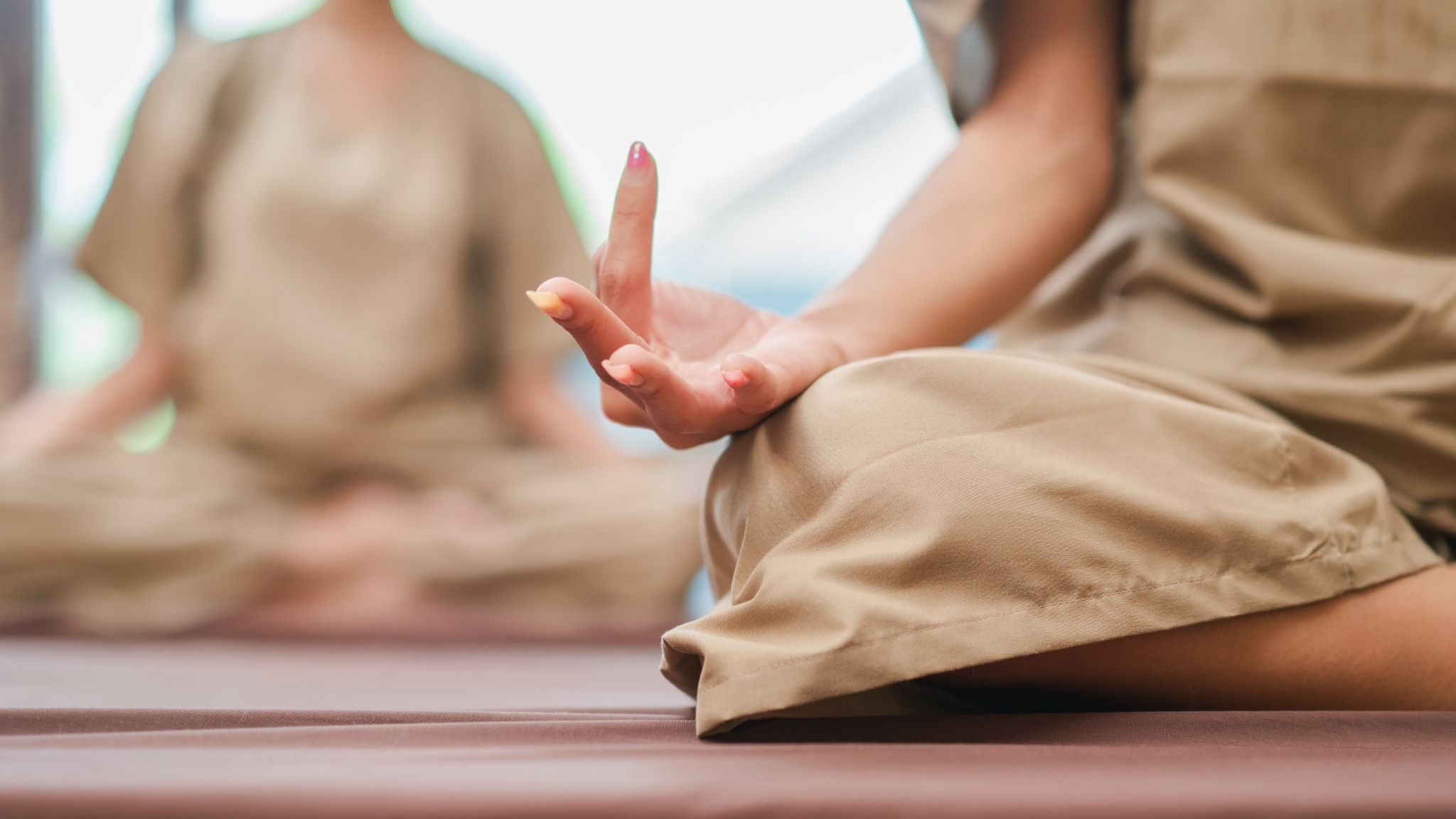
Mental overload often builds quietly over time through constant alerts, noise, and fast-paced routines. Many people search for relief but struggle to slow their thoughts. Meditation techniques offer a direct way to regain focus and reduce inner tension. These methods train attention through simple, repeatable actions that support mental clarity.
H2: What Meditation Techniques Mean
Meditation techniques refer to structured ways of focusing attention on the present moment. These practices help you notice thoughts, emotions, and sensations without reacting automatically. This approach creates mental space, reducing stress and improving clarity over time. Many people think meditation requires silence, yet awareness matters more than stillness. Beginners often benefit from simple methods that require no special tools. Research from clinical psychology groups supports these techniques for reducing anxiety and improving focus.
Why Beginners Struggle With Meditation
Beginners struggle because the mind resists slowing down after constant stimulation. This reaction often leads to more noticeable thoughts during early sessions. Many people expect quick calm, yet progress develops gradually with regular practice. This mismatch in expectations can lead to frustration and early dropout. Short sessions may feel long when focus skills are still developing. Consistency helps the mind adjust and makes meditation feel more natural over time.
Simple Meditation Techniques for Access
Simple meditation techniques focus on one action, such as breathing or body awareness. This simplicity reduces confusion and makes practice easier to repeat daily. Beginners often succeed by avoiding complex or advanced methods at first. This approach builds confidence and supports steady habit formation. Clear instructions also remove doubt about what to do during sessions. Over time, simple practices create a strong foundation for deeper focus.
Preparing for Meditation Techniques Practice
Preparation involves creating a setting and mindset that support calm focus. A simple environment helps reduce distractions and improve consistency. Small adjustments can improve comfort without requiring expensive tools. These preparation steps make meditation easier to continue over time.
Create a Distraction-Free Meditation Space
A distraction-free space allows your mind to settle more quickly during practice. This setup may include a quiet corner, a chair, or a cushion for support. You do not need elaborate decorations to create a calming environment. This simplicity keeps the focus on practice rather than surroundings. Soft lighting and minimal noise can improve comfort and attention. Over time, your brain links this space with relaxation and focus.
Set Realistic Meditation Expectations
Realistic expectations help reduce frustration during early meditation sessions. This mindset accepts that some days feel calm, while others feel distracted. Many beginners expect immediate results, yet meditation works through gradual improvement. This understanding prevents disappointment and supports long-term practice. Progress becomes clearer when you focus on consistency instead of perfection. Clinical mindfulness programs often highlight patience as a core skill.
Choose the Best Time for Meditation
Choosing a consistent time supports habit formation and daily practice. This routine may involve morning sessions for focus or evening sessions for relaxation. Short sessions of five to ten minutes work well for beginners. This approach prevents fatigue and makes it easier to maintain a meditation practice. Energy levels and schedules should guide your chosen time. Consistency matters more than finding a perfect moment.
Mindfulness Meditation Techniques for Beginners
Mindfulness meditation techniques focus on awareness of the present moment without judgment. These practices train attention and improve emotional balance through repeated focus. Beginners often prefer mindfulness because it uses natural observation skills. This method builds clarity and reduces stress through steady practice.

Breath Awareness Meditation Technique
Breath awareness meditation focuses attention on natural breathing patterns. This technique involves noticing each inhale and exhale without changing them. When the mind wanders, you gently return focus to the breath. This repetition strengthens attention and builds mental stability. Beginners often find this method simple and effective for stress reduction. Over time, breathing becomes a reliable anchor during challenging moments.
Body Scan Meditation for Relaxation
Body scan meditation involves shifting attention across different body areas. This technique helps you notice sensations such as tension or warmth without judgment. By observing these sensations, you release stored physical stress. This awareness also improves the connection between mind and body. Beginners often find this method grounding and easy to follow. Regular practice can improve relaxation and physical comfort.
Observing Thoughts Meditation Practice
Observing thoughts meditation teaches you to watch thoughts without reacting. This technique creates distance between you and your mental activity. Instead of engaging, you label thoughts and let them pass naturally. This process reduces the emotional intensity associated with negative thinking. Beginners learn that thoughts do not automatically control actions. Over time, this awareness supports a calmer and more balanced mindset.
Guided Meditation Techniques for Beginners
Guided meditation techniques use spoken instructions to direct attention during practice. These methods help beginners stay focused without uncertainty about each step. A calm voice can guide breathing, visualization, or relaxation exercises. This structure builds confidence and reduces confusion for new practitioners.
Meditation Apps and Audio Guidance
Meditation apps offer structured sessions for beginners and experienced users alike. This guidance includes step-by-step instructions, timers, and reminders for consistency. Beginners can choose sessions based on time, goals, or mood. This flexibility makes meditation easier to fit into daily routines. Many platforms also include calming sounds or music for relaxation. Data from wellness apps shows higher consistency when guided sessions are used.
Visualization Meditation Techniques
Visualization meditation involves creating calming mental images during practice. This technique may involve imagining peaceful settings, such as beaches or forests. Engaging the senses helps deepen relaxation and reduce stress. This approach also distracts the mind from repetitive negative thoughts. Beginners often enjoy visualization because it feels natural and engaging. Over time, it improves both focus and emotional balance.
Benefits of Structured Meditation Sessions
Structured meditation sessions provide a clear flow from start to finish. This format helps beginners stay engaged and reduces uncertainty. Following guidance builds discipline and supports regular practice. This structure also helps track progress over time. As confidence grows, reliance on guidance may decrease. Eventually, practitioners can transition to independent meditation.

Movement Meditation Techniques for Beginners
Movement meditation techniques combine physical activity with mindful awareness. These methods suit people who find stillness uncomfortable or difficult. Gentle motion helps release tension while maintaining focus. This approach makes meditation feel more natural and accessible.
Walking Meditation Technique Basics
Walking meditation involves slow, deliberate steps with focused attention. This technique connects movement with breathing and awareness. You notice how your feet touch the ground during each step. This practice helps reduce restlessness and improve concentration. Beginners often find it easier than sitting meditation. Over time, it builds both calmness and focus.
Yoga-Based Meditation Techniques
Yoga-based meditation combines gentle movement with controlled breathing. This technique improves flexibility while supporting mental clarity. Each movement follows a steady rhythm that encourages focus. Beginners benefit from the structured flow and physical engagement. This approach also helps release tension stored in the body. Regular practice supports both relaxation and strength.
Mindful Daily Activities as Meditation
Mindful daily activities turn routine tasks into opportunities for meditation. This technique involves focusing fully on actions like eating or cleaning. You notice sensations, movements, and surroundings during each task. This awareness brings calm into everyday life without extra time commitment. Beginners find this method easy to integrate into routines. Over time, awareness becomes a natural habit.
Build a Daily Meditation Techniques Routine
A daily meditation routine creates consistency and supports long-term progress. Regular practice builds focus, calmness, and emotional balance over time. Small sessions can produce noticeable benefits when practiced consistently. This routine helps meditation become a natural part of daily life.
Start Small With Meditation Practice
Starting small makes meditation easier to maintain without feeling overwhelmed. This approach may begin with five-minute sessions each day. Gradually increasing duration builds confidence and comfort. Beginners often succeed when they focus on consistency rather than length. This method supports steady progress without burnout. Over time, small efforts lead to lasting habits.
Overcome Common Meditation Challenges
Common challenges include distractions, time constraints, and restlessness. This awareness helps you create simple strategies to stay consistent. Setting reminders can support regular practice during busy schedules. Short sessions make meditation manageable even on demanding days. Accepting missed sessions reduces guilt and supports recovery. This mindset helps maintain long-term consistency.
Stay Consistent Without Burnout
Consistency grows when you notice small improvements in mood and focus. This feedback reinforces the habit and builds motivation. Strict goals may create pressure and reduce enjoyment. A flexible approach keeps meditation sustainable over time. Changing techniques occasionally can prevent boredom. This balance supports long-term engagement.
Avoid Common Meditation Techniques Mistakes
Common mistakes in meditation techniques often slow progress and create frustration. These errors usually come from unrealistic expectations or a lack of guidance. Recognizing them early helps improve practice and confidence. This awareness supports a smoother and more effective meditation experience.
Expecting Fast Meditation Results
Expecting fast results can lead to disappointment during early sessions. This belief overlooks the gradual nature of meditation benefits. Many beginners feel restless before they notice improvement. This pattern is normal and part of the learning process. Patience allows results to develop naturally over time. Consistent practice matters more than immediate outcomes.
Trying Too Many Techniques at Once
Trying multiple techniques at once can create confusion and reduce focus. This approach prevents mastery of any single method. Beginners benefit from choosing one technique and practicing it regularly. This focus builds familiarity and confidence over time. Once you’re comfortable, you can gradually explore other methods. Simplicity supports steady and clear progress.
Being Too Critical of Your Practice
Being overly critical can reduce motivation and enjoyment. This mindset focuses on mistakes instead of progress. Meditation involves observing experiences without judgment. Some sessions feel calm, while others feel distracted. This variation is expected and does not indicate failure. A balanced perspective supports long-term growth.
Start Meditation Techniques for Better Focus
Meditation techniques provide a practical way to improve focus and reduce stress in daily life. These methods fit easily into routines without requiring complex tools or strict conditions. Even short sessions can create noticeable changes in awareness and emotional balance. This practice can feel even more grounding when supported by a church community that encourages reflection and inner calm.Build a steady path to focus and balance.
Explore deeper insights on the The Living Church San Francisco blog and begin your practice today.