Life moves quickly, and many people feel disconnected during quiet, reflective moments. Daily routines often crowd out time for self-awareness and deeper thought. As a result, people begin searching for meaning beyond surface-level habits and distractions. This search often leads to questions about inner balance, purpose, and emotional clarity. A clear understanding of what a spiritual practice involves can guide that search with direction and confidence.
Understanding a Spiritual Practice
A spiritual practice refers to intentional actions that build awareness, meaning, and inner connection. This definition focuses on personal growth rather than strict rules or beliefs. People often shape these practices based on their values, lifestyle, and experiences. This flexible nature allows spiritual routines to fit into everyday life without feeling forced.
Spiritual Practice Defined Simply
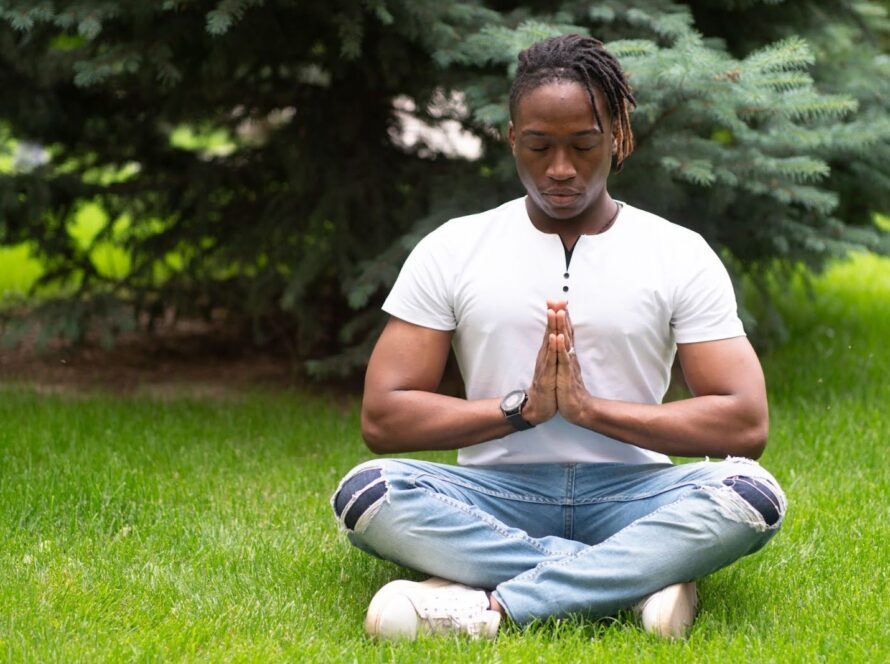
A spiritual practice means any repeated activity that helps you connect with your inner self. This concept includes both quiet reflection and active forms of awareness. It does not require religious involvement, although it may include it for some people. Many individuals practice meditation, journaling, or mindful breathing, for example. This approach supports emotional clarity and deeper self-understanding over time. These simple actions gradually strengthen awareness and help people respond to life with intention.
Why People Seek Spiritual Practices
People turn to spiritual practices when they feel overwhelmed or disconnected from daily life. This modern environment often creates a constant, difficult-to-manage stress. Many individuals look for ways to regain balance and clarity without relying on external solutions. This shift reflects a growing interest in mental health and mindful living, supported by research from organizations such as the American Psychological Association. Additionally, people seek a sense of purpose that aligns with their values and experiences. This growing awareness encourages individuals to explore practices that feel authentic and sustainable.
Core Elements of a Spiritual Practice
A spiritual practice works best when it includes intention, consistency, and personal meaning. This structure provides a stable foundation while allowing flexibility. People often build routines that evolve as their awareness deepens. This balance between structure and freedom supports long-term engagement and growth.
Intention and Awareness
Intention guides the purpose behind each action within a spiritual routine. This focus helps prevent the practice from becoming mechanical or routine-driven. Awareness supports this process by keeping attention grounded in the present moment. For example, mindful breathing encourages you to notice each inhale and exhale clearly. This awareness builds gradually and strengthens emotional understanding. These combined elements create a practice that feels meaningful and purposeful.
Consistency Builds Inner Connection
Consistency strengthens the connection between your actions and inner awareness. This habit does not require long sessions or strict schedules to be effective. Many people begin with just a few minutes each day to build momentum. This regular effort helps create familiarity and comfort with the practice. Over time, the routine becomes a natural part of daily life. This steady approach supports deeper reflection and lasting personal growth.
Personal Meaning Shapes Your Practice
Personal meaning defines how a spiritual practice feels and functions for each individual. This uniqueness allows people to explore different methods without pressure or comparison. Some individuals connect through silence, while others prefer movement or creative expression. This exploration helps identify what feels genuine and effective over time. According to mindfulness research from institutions like Harvard Health, personalization improves consistency and engagement. This individualized approach builds a stronger sense of ownership and authenticity.
Types of Spiritual Practices
Spiritual practices vary widely, which makes them accessible to people with different preferences. This range includes stillness-based, movement-based, and creative approaches. Many individuals combine multiple practices to create a balanced routine. This flexibility allows people to adapt their practice as their needs change.
Meditation and Mindfulness
Meditation involves focusing attention to create calm and clarity within the mind. This practice often begins with observing the breath or bodily sensations. Mindfulness extends this awareness into everyday tasks such as eating or walking. This approach helps reduce mental distractions and improves focus over time. Research from the National Institutes of Health shows that regular mindfulness practice can lower stress levels. These benefits make meditation one of the most widely used spiritual techniques today.
Prayer and Reflection
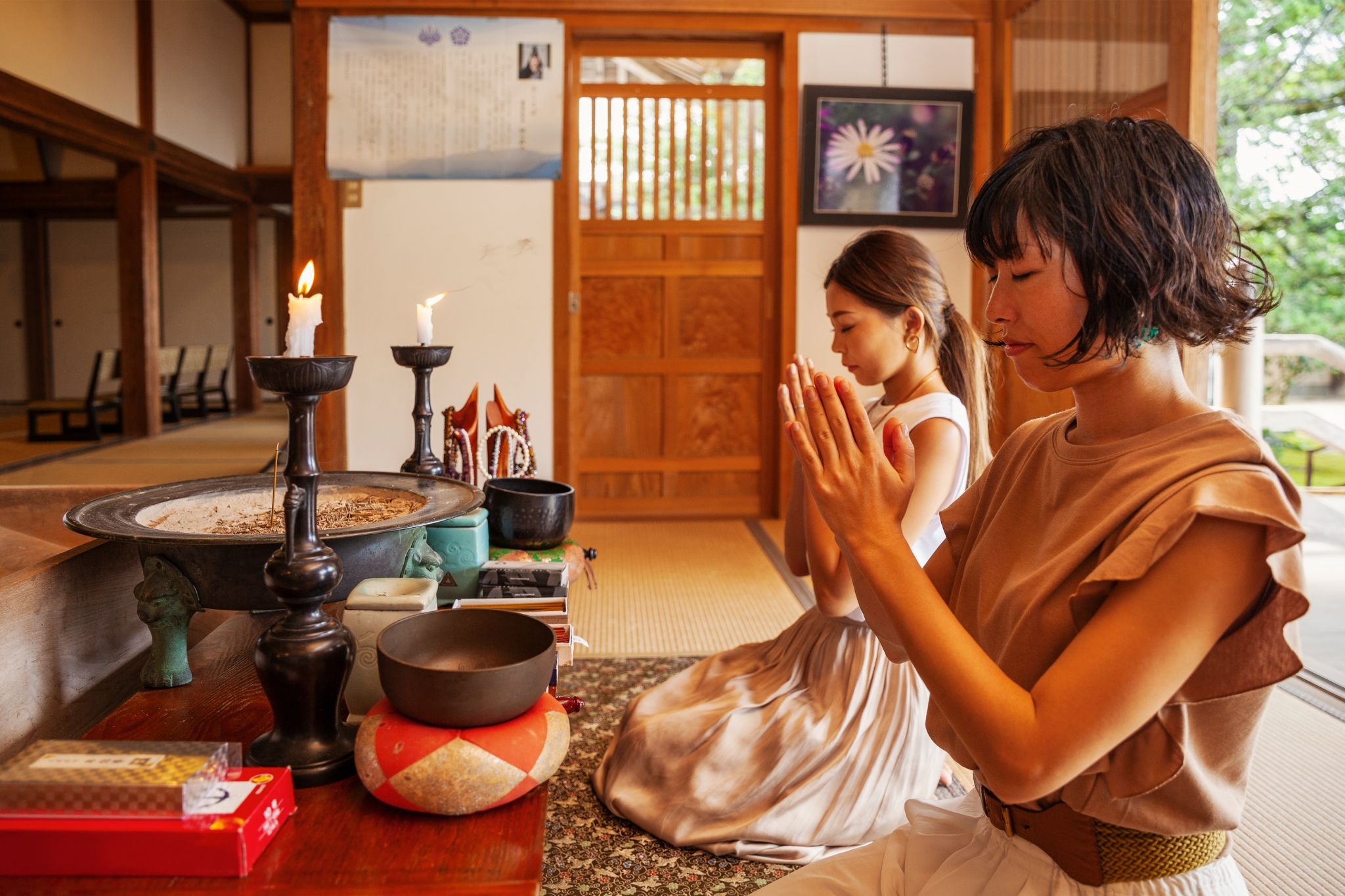
Prayer allows individuals to express thoughts, gratitude, or concerns in a structured or personal way. This practice often reflects personal beliefs and cultural traditions. Reflection complements prayer by encouraging honest self-examination and emotional processing. Many people use journaling to explore thoughts and track personal growth. This method helps clarify values and identify behavioral patterns. These reflective practices support emotional release and deeper understanding over time.
Movement and Nature-Based
Movement-based practices connect physical activity with mental awareness and presence. Activities like yoga, stretching, or mindful walking encourage body awareness and focus. Nature-based practices add another layer by grounding attention in the environment. Spending time outdoors can reduce stress and improve emotional balance, according to research in environmental psychology. This approach makes spirituality feel practical and accessible. These methods allow people to integrate awareness into active, everyday experiences.
Creative Spiritual Expression Methods
Creative practices provide an outlet for expressing thoughts and emotions without a strict structure. Activities like drawing, writing, or music help translate internal experiences into tangible forms. This process encourages exploration and reduces emotional tension. Many people discover new insights through creative expression over time. This approach supports both emotional release and self-discovery. These practices offer a flexible way to engage with spirituality beyond traditional methods.
Benefits of a Spiritual Practice
A spiritual practice supports mental clarity, emotional balance, and a stronger sense of direction. This combination helps people navigate challenges with greater awareness and control. Many individuals notice gradual improvements in focus and emotional responses. These outcomes build over time through consistent effort and reflection.
Improves Mental Clarity and Focus
Spiritual practices help reduce mental clutter that often leads to confusion and distraction. This clarity makes it easier to concentrate on tasks and make thoughtful decisions. Many people report feeling less overwhelmed by daily responsibilities. This improvement supports both personal and professional productivity. Research from the American Psychological Association highlights the connection between mindfulness and improved focus. These benefits create a more stable and balanced mental state.

Builds Emotional Awareness and Stability
Emotional awareness develops when people take time to reflect on their thoughts and reactions. This process helps individuals recognize patterns and triggers more clearly. As a result, responses become more measured rather than reactive. This stability improves communication and relationships over time. Many people feel more in control of their emotions with regular practice. This awareness supports long-term emotional resilience.
Clarifies Purpose and Direction
A spiritual practice encourages reflection on values, goals, and personal priorities. This clarity helps align actions with what feels meaningful and important. Many individuals experience greater direction in their decisions. This alignment reduces confusion and increases confidence in daily choices. Over time, this sense of purpose becomes more defined and consistent. These insights support a more intentional and fulfilling lifestyle.
How to Start a Spiritual Practice
Starting a spiritual practice involves simple steps that fit naturally into your routine. This process does not require special tools or extensive knowledge. Many people begin with small actions and gradually build from there. This approach makes the practice feel manageable and sustainable.
Choose Practices That Fit Your Life
Choosing the right practice depends on your preferences, schedule, and comfort level. This decision should focus on what feels natural rather than what seems popular. Some people prefer quiet reflection, while others enjoy movement or creativity. This flexibility allows you to experiment without pressure or expectations. Starting with simple activities makes it easier to stay consistent. These choices help build a routine that feels personal and effective.
Build a Routine That Lasts
A routine creates structure and helps turn intention into a consistent habit. This structure does not need to be strict or time-consuming to work. Many people choose a specific time each day to practice. This consistency helps reinforce the habit and make it part of daily life. When challenges arise, adjusting the routine keeps it realistic and flexible. These small adjustments support long-term consistency and growth.
Stay Patient With Your Progress
Progress in spiritual practice develops gradually rather than immediately. This process includes moments of clarity as well as periods of distraction or doubt. Patience allows you to continue without feeling discouraged. Over time, small changes become more noticeable and meaningful. This steady growth builds confidence and motivation. These results strengthen your connection with the practice.
Overcoming Common Spiritual Practice Challenges
Challenges often arise when people begin or maintain a spiritual routine. This experience can include doubt, inconsistency, or unrealistic expectations. Understanding these obstacles helps reduce frustration and build resilience. This awareness allows people to approach their practice with a balanced mindset.
Let Go of Perfection Expectations
Perfection often creates unnecessary pressure, disrupting consistency. This expectation may lead people to feel they are not practicing correctly. Spiritual routines do not require flawless execution to be effective. This understanding encourages a more relaxed and honest approach. Allowing mistakes creates space for learning and growth. These adjustments help maintain motivation and consistency over time.
Avoid Overcomplicating the Process
Overcomplication can make a spiritual practice feel overwhelming and difficult to maintain. This tendency often comes from trying too many techniques at once. Simple practices often yield deeper, more lasting results. This approach keeps the focus clear and manageable. Many experts recommend starting with one method and building gradually. These simplified routines support steady and sustainable progress.
Handle Doubts and Loss of Motivation
Doubt often appears when results feel slow or unclear during practice. This experience can weaken motivation and make routines feel less meaningful. Many people question whether their efforts are working or worth continuing. This uncertainty is a normal part of personal growth and reflection. Staying consistent, even during uncertain periods, helps rebuild confidence over time. These moments often lead to deeper understanding when you continue with patience and awareness.
Develop a Spiritual Practice That Lasts
A lasting spiritual practice grows through consistency, reflection, and meaningful connection. This approach can include both personal routines and shared experiences within a community. Many people find that attending church services adds structure, support, and a sense of belonging to their practice. This environment encourages reflection while connecting individuals with shared values and guidance. Over time, combining personal habits with community involvement helps create a practice that remains steady and deeply rooted.
Explore deeper perspectives and real-life spiritual practices on The Living Church San Francisco blog.